
The Connection Between Formula 1 and Its Sponsors
(The connection between F1 and it’s sponsors)
If anyone asked me a while ago what Formula 1 is all about? I’d have answered-speed, cars and adrenaline. But as I started to look beyond the race, I realised there is so much more to it. Formula 1 isn’t just a competition about the best car engineering and reflexes. It’s a live stage where podium meets brands. Its become a global symbol of luxury and status.
I wondered how it’s possible? Apparently the sport that’s seems so gritty and loud is backed by some of the world’s most elegant brands. Their partnerships looks like a list of Fortune 500 giants. And not just the sport even the teams and the drivers have become cultural icons.
But then again how did these two come together?
Entry of Luxury in Formula 1
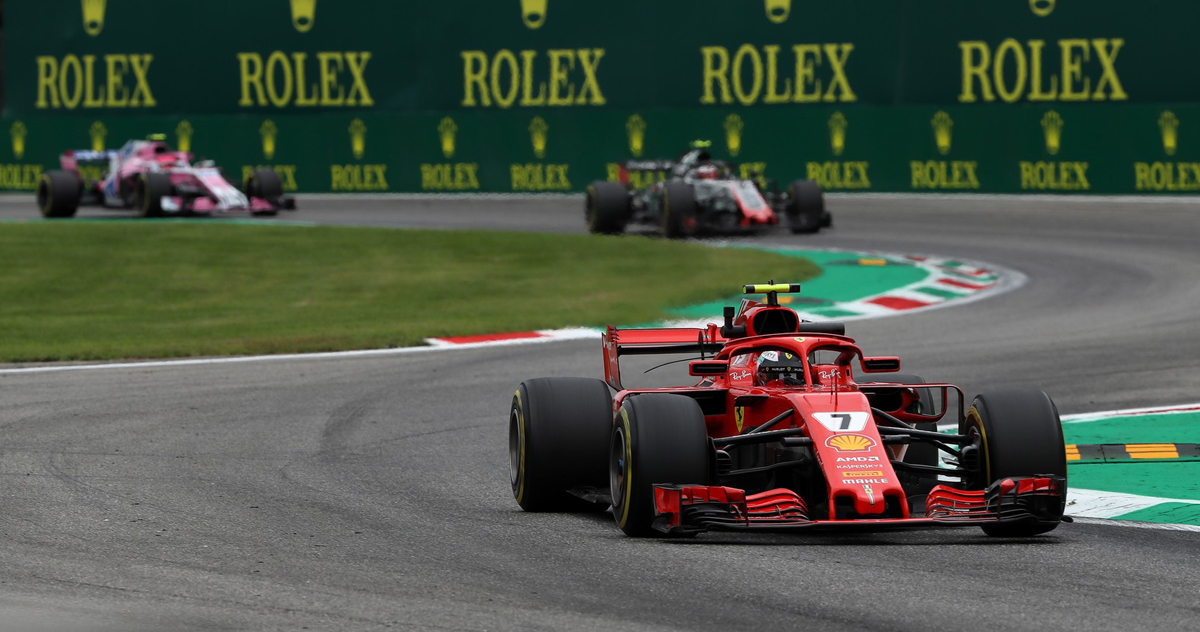
Luxury has always had a seat at Formula 1’s table, but its role has evolved dramatically over the decades. In the 1970s, brands like TAG Heuer brought precision timekeeping to the sport, while Moët & Chandon turned podium champagne sprays into a ritual of indulgence, creating the connection between Formula 1 and Luxury.
By the 1980s, fashion found its way onto the grid when Hugo Boss partnered with McLaren, making the paddock as much a runway as a racetrack and turning race weekends into social spectacles for the elite. The 1990s and 2000s deepened this connection, with Rolex, Cartier, and Emirates positioning F1 as a global stage for wealth and elegance, transforming paddocks into exclusive clubs for high-net-worth individuals.
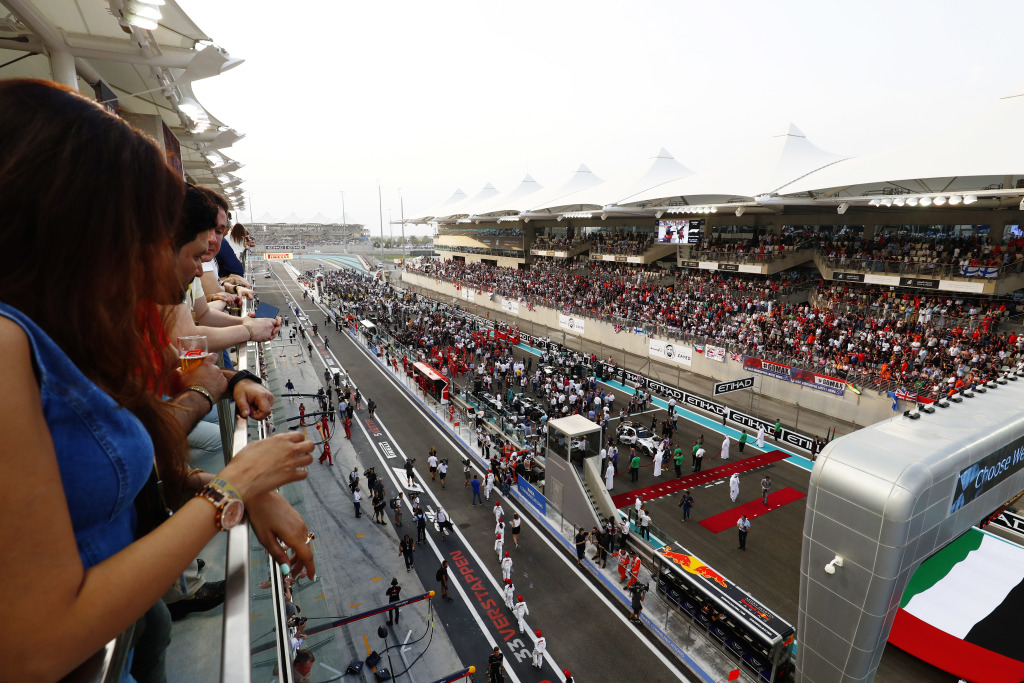
As the 2010s arrived, luxury moved beyond watches and champagne into lifestyle branding, with Tommy Hilfiger joining Mercedes and Dior collaborating with Lewis Hamilton, making drivers ambassadors of high fashion and culture. Today, in the 2020s, the definition of luxury has shifted again—from products to experiences. Platforms like Oracle Red Bull’s The Paddock have gamified fandom into a kind of digital VIP pass, while tech giants like HP and Dell create hyper-personalized engagement behind the scenes. Luxury in Formula 1 is no longer just about logos on cars it’s about curating access, storytelling, and making every fan feel part of an elite club.
Louis Vuitton in Formula 1

Formula 1 is known for their billion dollar partnerships, one of the most eye-catching partnership is LVMH, the parent company of Louis Vuitton, TAG Heuer, Moët & Chandon. The Louis Vuitton that makes handbags is the same one that creates the trophy trunks for every Grand Prix. TAG Heuer, the luxury watch brand, is the Official Timekeeper for in Formula 1. And Moët & Chandon? Well, who do you think provides the champagne for the podium. They make sure those champagne showers look glamorous.
Pietro Beccari, LVMH’s CEO, says that People no longer just want to buy the bag they want to be a part of a culture. They also struck a 10-year sponsorship with Formula 1 replacing Rolex in 2025, with Louis Vuitton serving as the title sponsor for the Australian Grand Prix in March 2025. This isn’t just about placing brand logo, this is about shaping a culture.
Fashion in Pit Stops

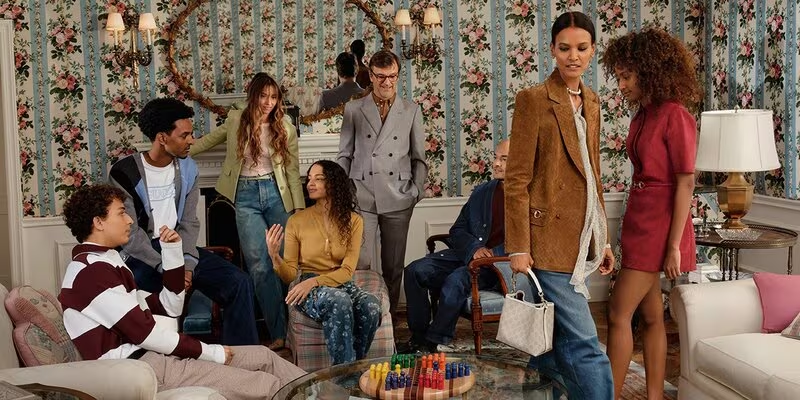
Then there’s fashion. Watching a race today feels like you are attending a fashion show, where everyone looks like they are straight out of a Vogue Magazine. Perfect Moment dresses Alpine’s Drivers, Tommy Hilfiger partnering with newly approved Cadillac Formula 1 team, and Gucci collaborated with Ferrari and many more along with Abercrombie & Fitch with McLaren. It’s like the pitlane doubled as the runway.
And lets not forget the drivers, they are the new fashion icons. Lewis Hamilton never disappoints with his outfits. Whether it’s bold streetwear or a perfectly tailored suit, he shows up with a look that makes a statement EVERY SINGLE TIME. Lets take when Hamilton moved to Ferrari in 2025. His first Ferrari Instagram post, pairing the iconic red with a Louis Vuitton jacket, became the most-liked F1 post ever, receiving 10M+ likes and 100K comments in 48 hours.
More than Engines
But luxury in Formula 1 isn’t just about the logos and designer clothes, its also about the invisible high tech side of the sport. Lets take Oracle and RedBull don’t just manage data, they curate access. Their fan platform ‘The Paddock’ added 250,000+ members in just one year across 189 countries in 2022, offering a kind of digital VIP pass. The members unlock rewards not through money, but through engagement like quizzes, video views, even livery design contests. This turns fandom into a gamified luxury club.
And this isn’t niche, it’s shifting the very profile of Formula 1 fans. 61% now engage with F1 content daily, and 94% say they’ll remain fans five years from now. Younger and female fans are driving this growth, aligning with how luxury brands cultivate aspirational audiences who see belonging as a status symbol. Engagement itself becomes the new currency, access, personalization, and status in exchange for loyalty.
HP with Ferrari and Dell with McLaren take this further: they aren’t just providing engineering or data solutions, they’re creating personalized digital touchpoints that mirror the tailored experiences luxury consumers expect, from bespoke shopping journeys to invitation-only events. These brands don’t sparkle on the podium, but they’re crafting the luxury of belonging, backstage.
Here is my take
Formula 1 is more than a race, it’s the glamorous spectacle of luxury, fashion and strategy. What makes this sport more intriguing is that it also focuses on elite craftsmanship, the runway worthy outfits and digital personalised experiences. These partnerships help engage the audience in ways just the sport cannot.
Beyond the speed and the roar of engines, F1 has evolved into a cultural stage where heritage brands, cutting-edge tech companies, and fashion houses come together to shape an exclusive experience. From Louis Vuitton creating bespoke trophy trunks to Oracle’s Paddock platform turning fandom into a gamified VIP club, the sport reflects the very essence of luxury: access, personalization, and status. For fans, it’s no longer just about watching the race, it’s about belonging to an elite lifestyle that blends adrenaline with elegance.
One thought on “The Connection Between Formula 1 and Its Sponsors”
Leave a Reply

Aptly captured the essence of F1, it is not just what happens on the track but off the track as well. These competitions are a way for Big Sponsors to reach their target audience.