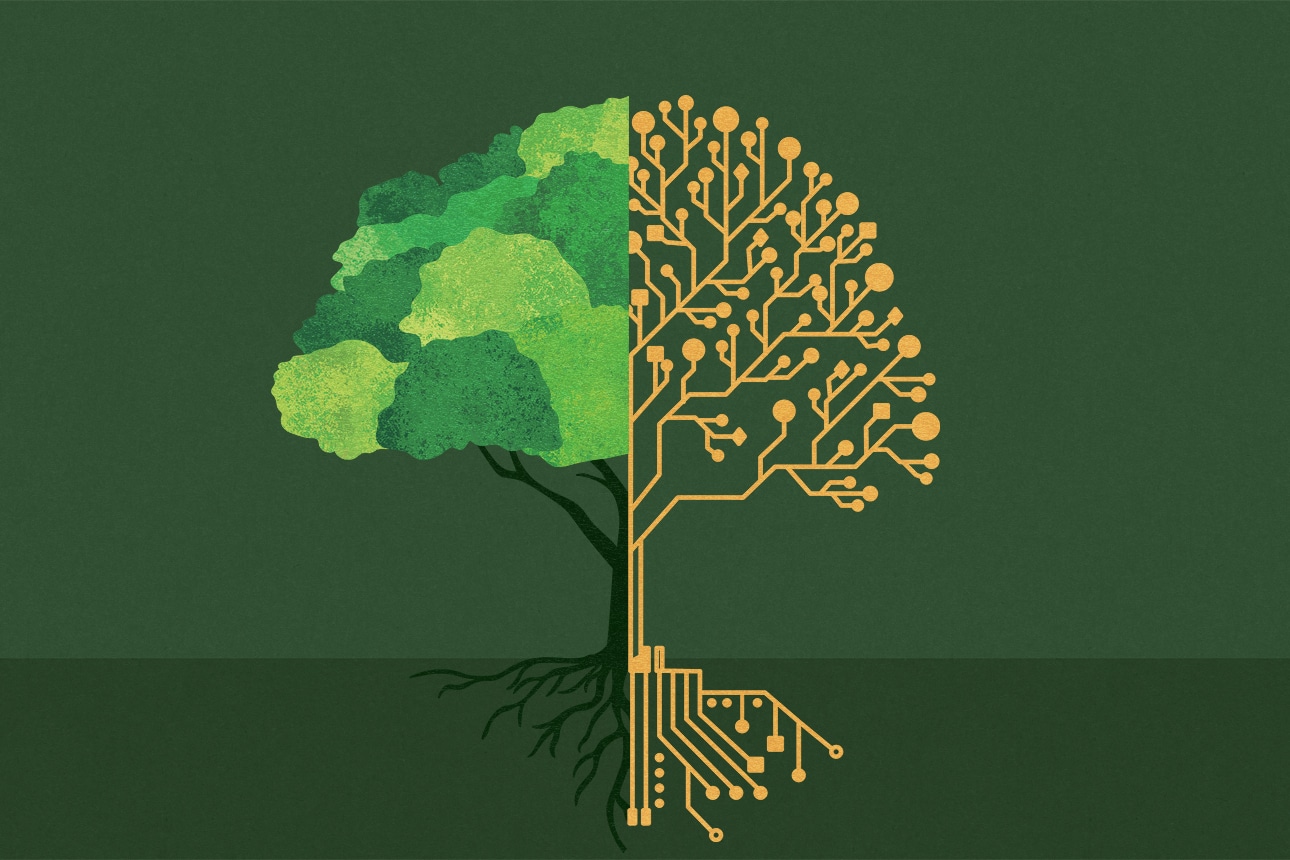
Green Finance: The Indian Perspective
Let’s start with understanding: What is green finance in India?
Green finance investment means directing money [loans, bonds, or equity] toward projects that benefit the environment, such as renewable energy, pollution control, and sustainable infrastructure. Simply put, it is investing in a cleaner, more sustainable planet while aiming for financial returns.
But you know what? Green finance is not something people are aware of in India.
Speaking from personal experience, my friend that boasts about her passion for sustainability was perplexed when I asked her a simple question. “Do you know about green finance or ESG funds?”.
My survey further proved this point. The biggest barrier in investing in green finance or ESG funds is lack of information. Moreover, only 7% of my survey population actually invests in ESG funds.
Seven percent.
Will or desire toward sustainability is not the issue here. When I asked them to rate how much companies should prioritise environmental sustainability, most answered 4 out of 5. But when money was involved? Those numbers went way down. Apparently, people want to contribute towards betterment without actually contributing materialistic resources required. Most wouldn’t even pay 0.5% extra in fees for an ESG fund.
THIS precisely is the issue which I will break down further.
There is another issue that really bothered me. Multiple people, including investors with 5+ years of experience, answered “not sure if my funds are ESG.” They might already be investing sustainably without knowing it. Or they might think they are when they’re not.
That’s not an investor knowledge problem. That’s a system architecture problem.
So I decided to dig deeper. I tried to figure out where someone could actually find reliable information about green finance in India. Surely there’s a platform, a database, something that makes this straightforward?
Turns out, there isn’t.
The Information Black Hole
As I mentioned before,“Lack of clear information” showed up in almost every single survey response. People at this point are not even concerned about high fees or performance reports as they don’t have the foundational knowledge itself.
Think about how absurd this is. We’re in 2026. I can point my phone at a plant and instantly know if it’s poisonous. I can ask an AI to write code, analyze data, and summarize research papers. But if I want to know whether my mutual fund portfolio actually aligns with my environmental values? I’m supposed to… what, exactly?
As a result, confidence levels in ESG funds are low. Low information = Low trust.
I still tried, thought maybe this was just retail investor laziness. Maybe people weren’t trying hard enough. Maybe the information was out there and they just couldn’t be bothered to find it.
Then I talked to CA Puneeta Puri.
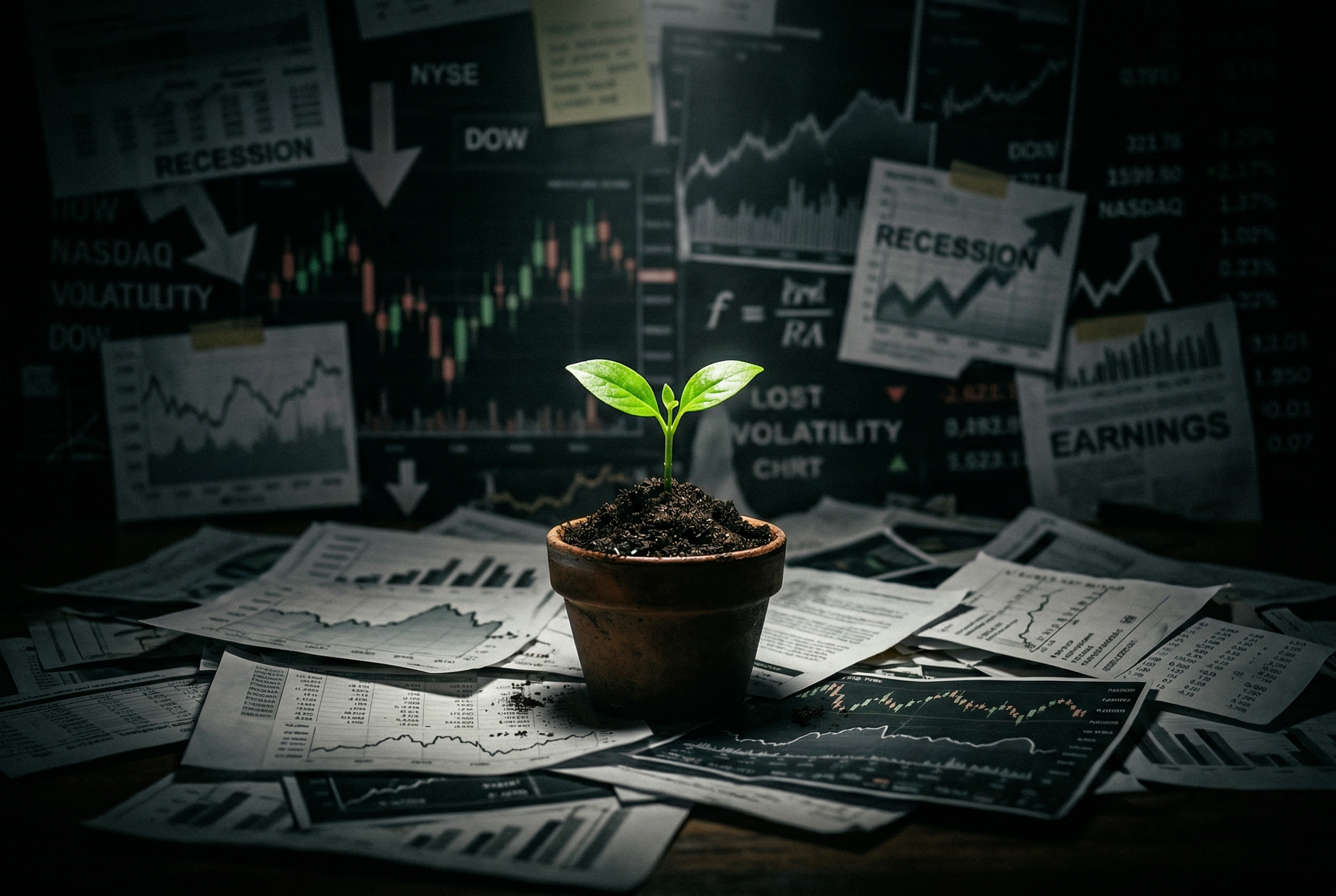
Puneeta is an esteemed finance professional. She advises companies on ESG integration and works at the intersection of finance, risk, and governance. She has demonstrated a strong commitment to sustainability and played a pivotal role in clarifying the complexities of the evolving ESG landscape.
And her answer to my question about ESG fund availability?
“I was exploring sustainability-focused investments, but I found that many available funds didn’t fully align with my specific criteria for impact and transparency.”
If an ESG professional can’t find good options, what chance do the rest of us have?
She confirmed what my survey had suggested:
“There’s no structured way to figure it out. You’ll have to check multiple sites and research just the way you do for normal company investment.”
So the answer is: piece together information from scattered sources, hope it’s current, trust that companies are reporting honestly, and cross your fingers. That’s the 2026 sustainable investing experience in India.
Convenient, isn’t it?
The Maturity Problem Nobody Wants to Admit
Climate finance is BRAND NEW. The SEBI regulations are also new.
“Companies have just started disclosing – top one thousand as per the BRSR requirement by SEBI,” Puneeta explained. BRSR (Business Responsibility and Sustainability Report) became mandatory for the top 1,000 listed companies recently. SEBI plans to expand this to 10,000 companies over the next five years.
She also mentioned: “The maturity curve is going to take a few years. I would say a minimum of five to eight years to really get good data – more transparent data, verifiable, verified data which is reported by companies.”
Five to Eight years.
That timeline lands like a punch if you’re someone who wants to invest sustainably now. But it’s honest. Now companies are navigating a learning curve. Reporting standards are evolving. Rating agencies give wildly different scores to the same companies. The whole ecosystem is figuring itself out in real-time.
And greenwashing? It’s definitely happening. But according to Puneeta, it’s not always malicious: “Some are intentional I would say and some are just unintentional that people think that ‘let’s report this and that also’, which might seem like greenwashing.”
The Misconception That Shrinks Your Options
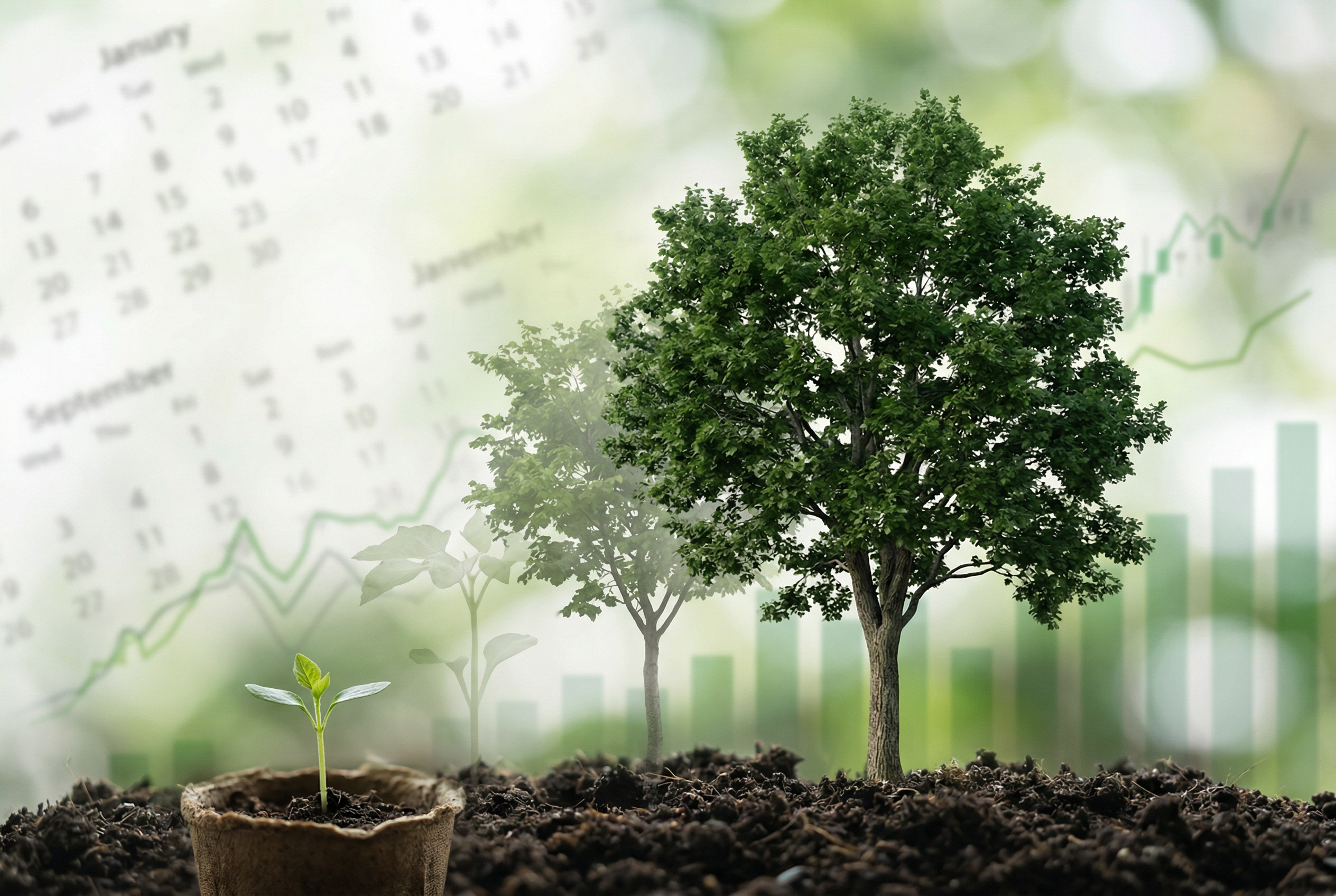
There’s another problem, and it’s partly our own fault: most people think ESG investing means renewable energy companies, solar panels, and electric vehicles. That’s it. That’s the whole universe.
THAT IS NOT ALL THOUGH!
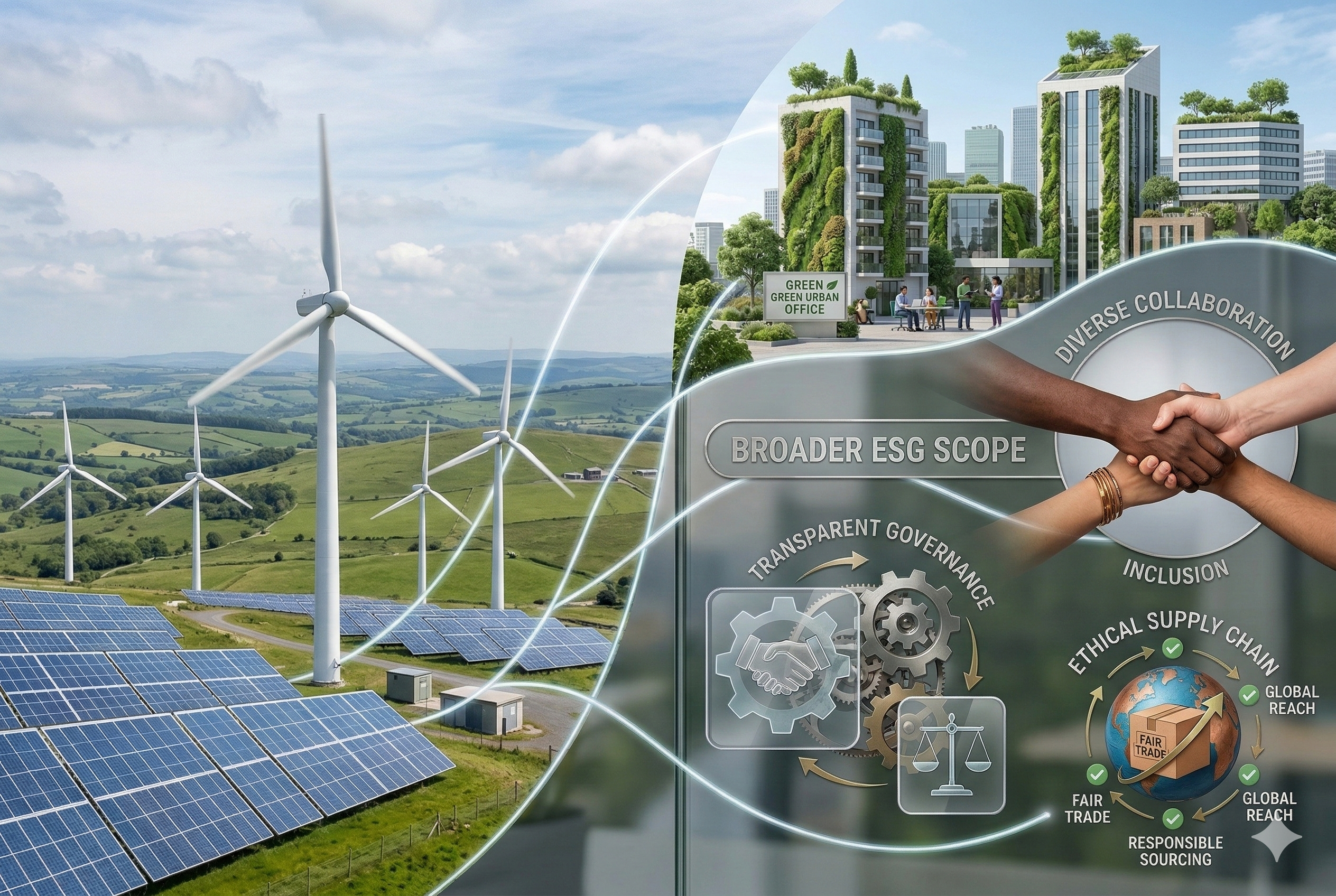
A bank with robust governance practices? That’s ESG. A food company with ethical supply chains? That’s ESG. A tech firm with strong employee policies and transparent reporting? Also ESG.
But that nuance gets lost. Partly because the few green bonds and ESG funds that do get marketed tend to focus heavily on renewable energy themes. Partly because it’s easier to grasp “this company makes solar panels” than “this company has a 15-year track record of treating employees well and managing resources responsibly.”
The result? People think their investment options are limited when they’re actually not. They’re just harder to identify.
The Supply Side Nobody Mentions
Let’s talk about something that surprised me: maybe the problem isn’t that investors aren’t seeking out sustainable finance options. Maybe the options just aren’t there.
“There’s a lot of conversation and buzz about sustainability but when it comes to finance it’s very less,” Puneeta told me. “First of all those products and that right product mix has to be available in the market. So there’s less awareness, there are less products at present.”
It makes a lot of sense.
She further illustrated her point with an example. She observed that while traditional banks may not always be fully equipped to guide such requests, non-banking financial companies (NBFCs) are increasingly developing products tailored to sustainability-focused investors.
Imagine that scenario. You enter a bank, motivated and ready to invest sustainably. The person sitting across from you, whose job is literally to know about available investment products, doesn’t know what you’re talking about.
That’s a lack of information on the supplier’s side as well.
Sadly, the supply chain itself is not yet strong.
“Right now there’s a difference between the demand and supply and I would say the supply is also less. I myself was looking at investing in companies which are into sustainability and I didn’t find many interesting funds available as an individual. So I think that availability in the market has to go up.”
This literally reflects my survey. When people said they hadn’t invested in ESG funds, it wasn’t always because they didn’t want to. Many literally didn’t know how. Or they looked frustrated, and gave up.
The Hidden Infrastructure Gap
Now we are talking about the big entities involved in this.
When we talk about corporate ESG adoption, we focus on large companies. Is TCS reducing emissions? Is Reliance transparent about governance? What’s Infosys doing about diversity?
Those companies aren’t the problem. They have money, expertise, and brand reputation to protect. The bottleneck is elsewhere: their supply chains.
Let me explain something technical that matters: Scope 1, 2, and 3 emissions.
Scope 1 is direct emissions from a company’s operations.
Scope 2 is indirect emissions from energy they purchase.
Scope 3 is everything else in their value chain—suppliers, distributors, the end-use of products.
For most companies, Scope 3 is massive. Often 70-90% of total emissions. And Scope 3 means supply chains. Which in India means MSMEs: Micro, Small, and Medium Enterprises.
Puneeta explained it clearly: “Big companies have the availability of funds. They do scope 1, scope 2 reduction in emissions – it’s not going to lead too much. The real game is in scope 3, where the real challenges are.”
Simply put: Large companies are being asked to report ESG metrics. To be sustainable and cover scope 3, they need their suppliers to implement sustainable practices too. So they’re telling MSMEs: “You need to get ESG compliant.”
But the BIG problem here is that these small businesses don’t have the availability of funds.
“Especially the MSME category which is a big backbone of India – they are the supply chain of all the big companies. The supply chain section is not able to implement ESG. They are just being told to do by the big companies to implement ESG because we need to cover scope 3. They don’t have the funds.”
Hence the skepticism about greenwashing. And because of this reality, I personally cannot defend ESG funds 100%. But my question is: “Whose fault is this?”
“We can’t just enforce compliances, we have to build the ecosystem for the compliances to happen. So that ecosystem is missing right now with the right support for this category which is really the backbone which will really give the shift in our country.” said Puneeta.
The Solution to Grow Green Finance in India?

There is no single magical solution to solve all these hurdles. It is a process, a very long one in fact. Green finance has recently entered the Indian market, and there are a few things that need to evolve for green finance to work in India:
Better financial products, obviously. “More such funds have to be introduced with better subsidies being given to organizations who are in this zone. More awareness, more conversation is required because right now there are people with good intentions who want to do business or even companies but they lack the funds.”
A huge help indeed, but this alone won’t solve the problem. The MSME support system must exist. Government subsidies, easier financing, incentives for small suppliers. The whole ecosystem needs to stabilise. Either these companies should be supporting or there should be funding available in the market for them to support. More such schemes and subsidies, such products are more required so that financing is easily available and companies can take more initiatives.
That being said, the government is trying. According to Puneeta, “If you look at even SEBI they stepped in, BRSR is a pretty structured process of disclosures. Regulations again in carbon credit, a lot of regulations are coming to build the market. Action is being taken on regulatory and compliance but the real challenge in implementation will be availability of finance. iSo we have disclosure requirements. We have regulatory frameworks. What we don’t have is the actual money flowing to the places where change needs to happen.
That’s the gap. And it’s no small thing.
Should You Invest in ESG Right Now?
The practical question everyone wants answered: given all this mess, should you actually invest in ESG funds today?
She suggested we should increase our horizon in considering ESG. It is not just companies which are into EV and renewables. Any good organization having long term sustainable practices, good products which are environment friendly, people friendly, society friendly – they should also be looked at as a good investment long term.
Stop waiting for a fund labeled “ESG” to appear in your banking app. Look for companies that actually operate with long-term thinking. ESG is any organization doing good, having long-term vision, working alongside the environment, people and society and the planet. Invest in such companies – they are also worth investing.
To understand the credibility of a company as an ESG, you need to see the journey of the company, the vision, what is the dependency on resources which they have today, and what is the situation of these resources long term. Now, as I said before there is no one platform to actually discover all of these aspects of a company but I believe a deep dive into a company’s website will do. You can view industry reports or government reports for additional information.
One word answer though: YES. Research well and invest in green finance because that is how the ecosystem is actually built. It is a cycle: the investors invest, companies grow, the government understands the gap, and through this journey everyone makes mistakes. However, that is not what should stop you.
Cautionary advice: Plan to invest long term in green finance as the returns might take a while to show up.
Conclusion
The 30 people I surveyed weren’t indifferent to sustainability. They are keen for systems that work. They were skeptical because skepticism is warranted. They weren’t investing not because they didn’t care, but because caring and investing simultaneously requires an unreasonable amount of work.
The good news? It’s changing. SEBI’s expanding disclosure requirements. Financial products are being designed. Institutional pressure is building. Consumer demand from people who keep asking these questions creates market signals that institutions respond to.
The timeline is longer than anyone wants. Five to Eight years for full maturity sounds like a long term. But it also means that if you’re in your twenties right now, by the time you’re in your peak earning years, the green finance infrastructure will actually exist.
Meanwhile, work falls to you. Check multiple sources. Expand your definition of what sustainable investing looks like. Don’t trust labels blindly, but don’t dismiss every claim as greenwashing either. Look at companies’ long-term practices and track records.
The barrier to ESG investing in India isn’t your apathy. It’s not even your financial literacy. It’s that the products, information infrastructure, and supply chain support systems don’t exist yet in any mature, accessible form.
But they’re being built. The question is whether you’ll be ready when they finally work.
Because that moment is coming. Maybe not today. Maybe not next year. But it’s coming.
And when it does, the excuse that sustainable investing is “too complicated” won’t hold anymore.
This research is based on a survey of 30 Indian investors aged 18-36 conducted in February 2025, and a discussion with CA Puneeta Puri, Finance, Risk & Governance Integration expert and ESG advisor.