How Dubai and Abu Dhabi Began Their Journey to Luxury
Before the skyscrapers rose and before the glittering lights painted the night, there was only silence. Miles of golden sand stretched as far as the eye could see. The wind carried the scent of salt from the Arabian Gulf, and life moved slowly under the harsh desert sun. People lived simply, working hard, holding on to hope in a land where survival was the greatest achievement. Dubai and Abu Dhabi, now known for their luxury and extravagance, were once small settlements where every drop of water mattered and every grain of rice counted. Their journey from quiet desert towns to global icons of wealth and elegance is a story of vision, courage, and the determination to build something extraordinary out of nothing.

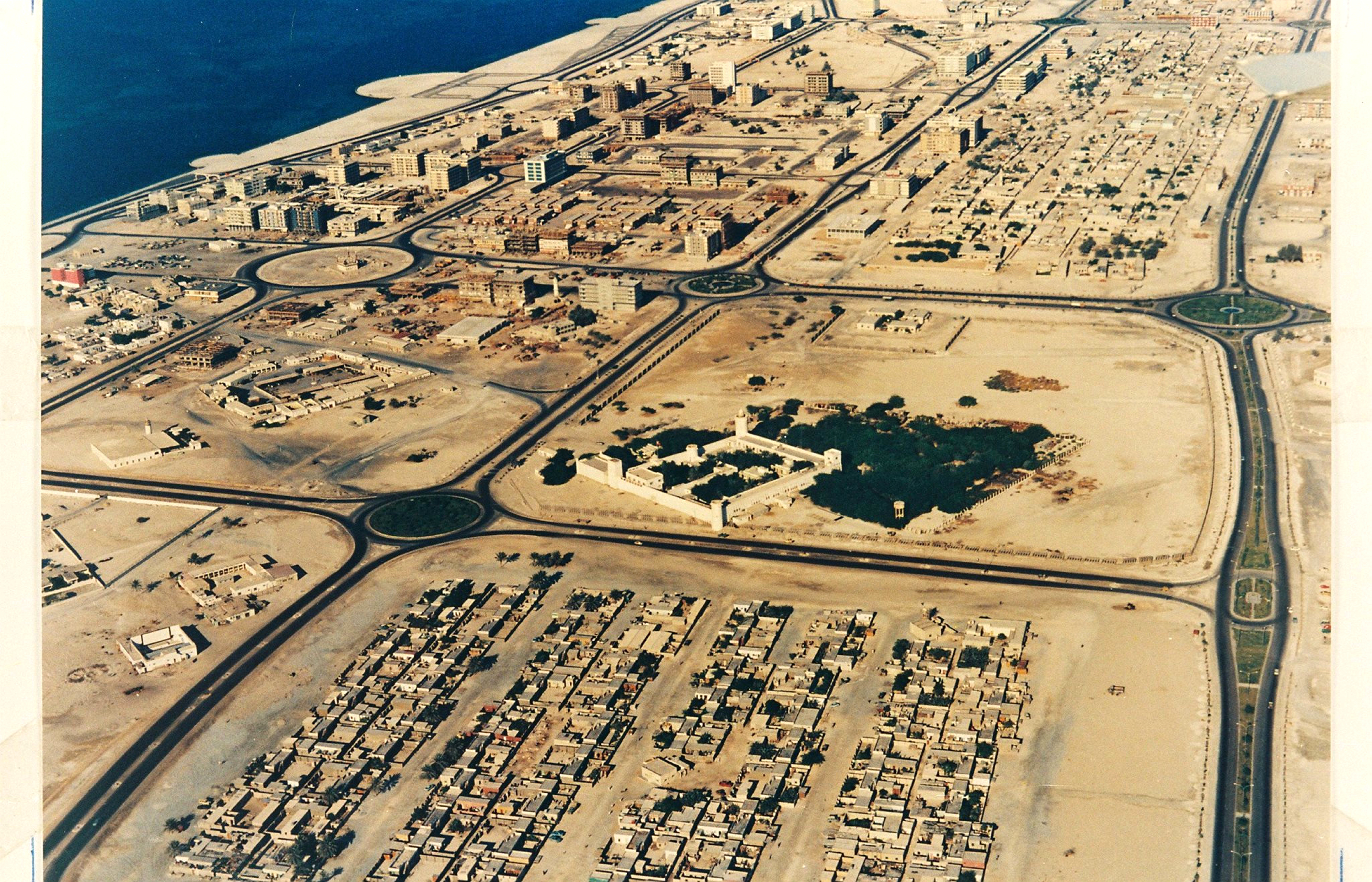
In the early 1900s, life in the Arabian Peninsula was simple. The region known then as the Trucial States was home to small communities. These communities depended on three main things: pearl diving, fishing, and trade.
1. Pearl Diving Natural pearls from the Arabian Gulf were once the pride of these lands. Divers would plunge into the deep waters without oxygen tanks, using only basic tools and sheer bravery. A perfect pearl could support a family, but every dive came with great risk.
2. Bedouin Life On land, Bedouin tribes lived in the desert’s rhythm. They raised camels and goats, built tents from palm fronds, and followed traditions of hospitality and honor. Life was tough, but it was filled with culture and community.
3. Caravan Trade Caravans of camels crossed the desert carrying spices, dates, and fabrics. These routes connected the Gulf to faraway markets, making trade a lifeline for survival. Back then, wealth was measured in pearls and livestock, not skyscrapers or private islands.

The Turning Point: Oil Changes Everything
Then came the discovery that changed everything: oil. In 1958, Abu Dhabi struck oil, and Dubai followed a few years later. Suddenly, the land that once struggled for survival held one of the world’s most valuable resources. But here’s the difference: not every country with oil becomes what Dubai and Abu Dhabi are today. Many became rich, but few turned that wealth into a vision for the future. The rulers of these emirates understood something important: oil would not last forever. They needed a plan that would outlive the oil era. The Leaders Who Built the Dream. Two visionary leaders shaped this transformation:
Sheikh Zayed bin Sultan Al Nahyan of Abu Dhabi
Sheikh Rashid bin Saeed Al Maktoum of Dubai
Their dream was bold and clear: Invest in people first to build schools, hospitals, and homes before palaces. Think beyond oil and create new industries like trade, tourism, and business. They did not wait for the future; they built it. Roads were laid across empty deserts, ports welcomed ships from around the world, and modern infrastructure started to rise. The land of silence began to speak the language of ambition. 1971: The Birth of the UAE, The Birth of a Vision In 1971, seven emirates united to form the United Arab Emirates. This was more than a political move; it was a promise:“We will create something the world has never seen.” This marked the beginning of a journey that would turn sand into skyscrapers, simplicity into splendor.
Luxury in Dubai and Abu Dhabi
Luxury in Dubai and Abu Dhabi did not happen by chance; it was a choice, a carefully designed strategy. When the rulers looked at the endless desert around them, they did not see emptiness—they saw possibility. They understood that oil, no matter how abundant, would one day run dry. To survive beyond the oil era, they needed something timeless: an identity that would attract the world. But what could make the world look toward a desert land?
The answer was simple yet bold: create something no one else has. If the desert could not offer green valleys or rivers, it would offer wonders built by human ambition. Instead of competing with the ordinary, they would create the extraordinary. Luxury became the language of the Emirates for several reasons: Hospitality is in their roots – The Bedouin culture values generosity and hosting guests with the best you have. This ancient tradition was transformed into luxury resorts, lavish hotels, and world-class service that would make every visitor feel royal.
Scarcity inspired innovation – The desert offered little, so they decided to build everything. Where there was no water, they created artificial islands. Where there was no greenery, they built lush golf courses and gardens. Luxury became a way to turn limitations into strengths. A brand for the future. They did not just want cities; they wanted global icons. Landmarks like Burj Khalifa and the Louvre Abu Dhabi were not just buildings, they were statements. They said, “We are not just rich; we are exceptional.”
By choosing luxury, Dubai and Abu Dhabi positioned themselves as destinations for the world’s elite. Here, shopping is not just an activity it is an experience in gold souks and designer boutiques. Hotels are not just for rest—they are palaces in the sky. Even airports feel like luxury lounges