The Quiet Revolution: Decoding the Semiotics of Luxury in 2025
First, a note on definitions. I use the term ‘luxury’ to describe not simply the acquisition of expensive goods, but a complex system of cultural signaling that has taken shape from approximately the late twentieth century to the present day, though the term itself is not without its difficulties. What constitutes ‘luxury’ varies considerably across cultures, regions, and economic conditions, and it is therefore necessary to approach contemporary luxury consumption with the same degree of caution and contextual awareness that we might apply to any historical phenomenon.
In addition, we may turn to contemporary market analyses to suggest that luxury is more than a question of material value alone. It operates as a visual and experiential language through which ideas of identity, belonging, and cultural capital are articulated. In the world of 2025, just as in earlier periods, luxury goods function as texts to be read and interpreted, carrying meanings that are neither fixed nor universal, but instead shift according to the values and expectations of each generation of consumers.
At the simplest and most straightforward level, a fundamental recalibration is taking place within the luxury ecosystem. Although the personal luxury goods market is projected to remain broadly stable in 2025, at approximately €358 billion, this apparent stability conceals a significant transformation. What we are witnessing here is not decline, but metamorphosis.
Experiential luxury, which includes travel, wellness, and hospitality, has grown at a faster pace than traditional product categories, reaching an estimated value of $103.4 billion. This change indicates a reordering of luxury’s priorities. From twenty-four-hour lifestyle spaces introduced by technology companies to fragrance houses expanding into spirits, the boundaries between product, place, and purpose have become increasingly fluid. What industry analysts describe as ‘third spaces’—hybrid environments that combine retail, wellness, and community—suggest that luxury brands are no longer focused solely on selling objects, but on constructing immersive worlds.
The deeper significance of this shift lies in the way luxury is experienced and understood by younger consumers. For Generation Z in particular, luxury purchases are often motivated by self-expression and the desire to mark personal achievement, rather than by traditional forms of status display. This represents a departure from earlier modes of conspicuous consumption. The outward form may have changed, but the underlying function—to create meaning, to signal identity, and to mark moments of success—remains recognisably human.
When we turn to the aesthetics of wealth display, the year 2025 reveals a notable paradox. The so-called Quiet Luxury mindset has gained momentum, particularly in the United States, at the same time that a large proportion of European and American consumers actively compare prices across brands before making a purchase. This combination of discretion and calculation points to a generation that no longer treats luxury as an unquestioned inheritance, but as a decision requiring justification.
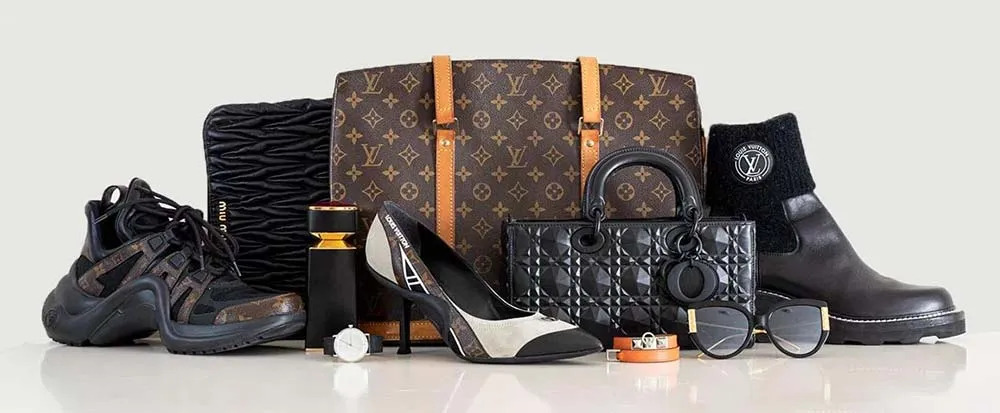
Quiet luxury, sometimes described as ‘stealth wealth’, rejects the prominent logos and overt branding that characterised the early twenty-first century. Instead, it emphasises fine materials, skilled craftsmanship, and designs intended to endure over time. Brands long associated with heritage and restraint have therefore regained relevance, precisely because they offer a sense of continuity in an environment shaped by constant novelty.
Yet this movement does not exist in isolation. Alongside the turn toward understatement, there has emerged a renewed interest in bold and expressive forms of luxury. The market appears increasingly divided, not according to income alone, but according to differing philosophies of self-presentation. For some consumers, sophistication is best conveyed quietly; for others, visibility remains central to luxury’s appeal.
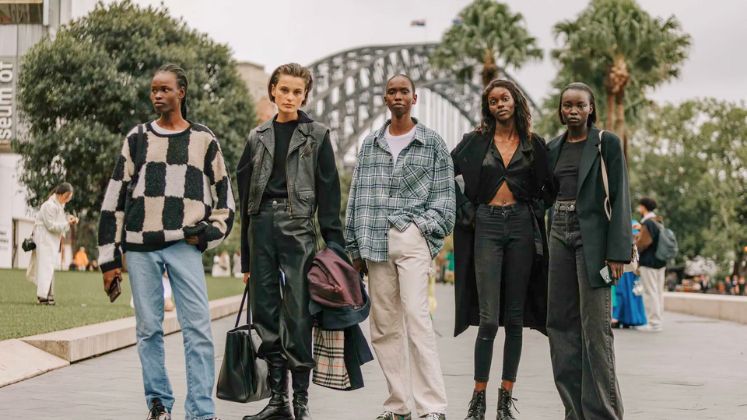
The Generational Reckoning: Generation Z and the Rewriting of Luxury’s Grammar
The entry of Generation Z into the luxury market represents more than a demographic transition; it constitutes a direct challenge to the assumptions upon which modern luxury has long depended. These consumers purchase luxury goods frequently, yet they approach such purchases with notable caution. A significant proportion hesitate to complete high-value transactions online, citing concerns over fraud and payment failure. They are, at once, highly engaged participants in the luxury market and its most persistent interrogators.
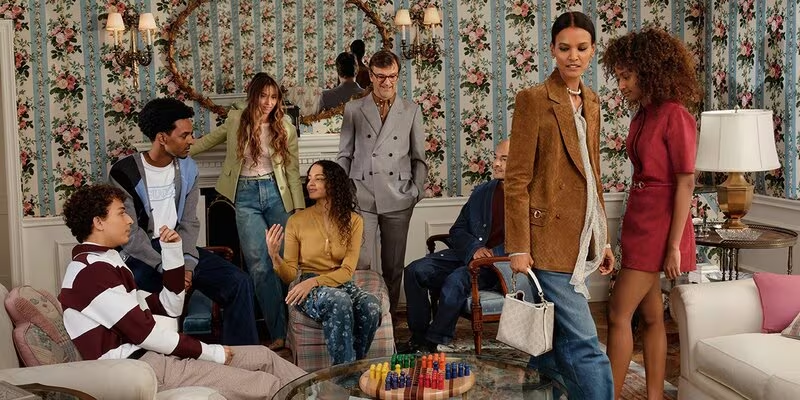
When Millennials reached their peak spending years, luxury addressed them through limited editions, graphic streetwear, and sneaker culture rather than through the traditional language of heritage leather and formal craftsmanship. Generation Z demands a further shift. They seek authenticity without overt display, exclusivity without exclusion, and craftsmanship that openly acknowledges its environmental and social costs. Luxury, for them, is less a marker of hierarchy than a means of articulating identity.
This shift becomes especially clear when we consider Generation Z’s relationship with secondhand luxury. A substantial proportion of these consumers participate in resale markets in order to access higher-end brands, engaging directly with circular economies. In this context, luxury’s traditional emphasis on novelty is inverted. Objects acquire value not through newness, but through history, traceability, and narrative. Wear, patina, and prior ownership become indicators of meaning rather than loss. Time itself is transformed into a form of luxury.
Experience and Transformation: Hospitality as Contemporary Haute Couture
The movement toward experiential luxury reveals one of the most significant transformations in contemporary consumption. By 2025, luxury travellers increasingly expect immersive experiences that extend beyond conventional spa or leisure offerings. Hospitality brands respond by positioning themselves as cultural intermediaries, integrating art, heritage, and local knowledge into the guest experience.
Food and beverage, in particular, have assumed a central role within luxury hospitality. Chef-led narratives, regional sourcing, and participatory dining formats allow meals to function as both experience and expression. Activities such as guided foraging, collaborative tastings, and culinary residencies transform consumption into a form of cultural engagement. Here, the meal becomes a text through which place, tradition, and identity are communicated.
The implications of this shift extend beyond travel and hospitality. Luxury increasingly privileges transformation over possession. For many high-income consumers, expenditure is directed toward experiences rather than objects, suggesting a redefinition of what it means to live well. The question that luxury answers is no longer confined to ownership, but instead concerns memory, impact, and personal change.
Price, Value, and the Crisis of Authenticity
Beneath these developments lies a tension that challenges luxury’s core promise. In the years following the pandemic, price increases accounted for the majority of growth within the luxury sector. At the same time, accelerated expansion has led to increased visibility and, in some cases, diminished perceptions of exclusivity and craftsmanship.
Across multiple regions, consumers report rising prices accompanied by a growing sense that value has declined. When cost escalates more rapidly than perceived quality or meaning, the implicit contract between brand and consumer weakens. Luxury has historically justified its price through exceptional materials, skill, and scarcity. When this justification falters, trust erodes.
This tension is particularly evident among younger consumers. Iconic products that once served as entry points into luxury have become increasingly inaccessible, prompting shifts toward secondhand markets, alternative brands, or counterfeit goods. When aspiration becomes unattainable, luxury risks losing its role as a cultural ideal and becoming instead a symbol of exclusion.

Regional Imaginaries: The Geography of Contemporary Desire
The luxury market of 2025 is characterised by pronounced regional divergence. In China, demand has softened, accompanied by a growing emphasis on domestic brands and experience-oriented categories. Europe faces modest contraction, while the Middle East emerges as a centre of growth, driven largely by tourism and destination luxury.
These differences reflect more than economic conditions; they reveal distinct cultural relationships with luxury itself. In some regions, luxury is understood as a comprehensive lifestyle, while in others it is increasingly scrutinised for provenance, restraint, and long-term value. In India, a growing cohort of fashion-forward consumers aligns more closely with trend-driven markets, favouring visibility and experimentation.
For luxury brands, this fragmentation signals the end of uniform global strategies. Meaning must now be constructed locally, drawing on regional narratives, cultural codes, and specific understandings of status. Luxury, once universal in aspiration, becomes plural in expression.
Sustainability and Moral Accountability
A defining feature of luxury in 2025 is the increasing demand for accountability. Younger consumers, in particular, evaluate purchases not only in terms of quality and experience, but also through ethical and environmental considerations.
Luxury brands have responded by introducing buy-back schemes, repair services, and collections made from recycled or alternative materials. Regulatory frameworks further accelerate these changes, embedding sustainability into reporting and operations. What was once treated as branding has begun to reshape infrastructure.
Yet this transformation remains uneven. While a vocal segment of consumers prioritises values-driven purchasing, many continue to compromise ethical considerations in favour of desire. Sustainability, within luxury, exists in tension between conviction and convenience. It is neither fully internalised nor entirely superficial, but remains in negotiation.
Technology, Intimacy, and the Question of the Human Touch
The integration of artificial intelligence into luxury environments presents both promise and uncertainty. Automated personalisation, predictive recommendations, and adaptive environments offer unprecedented levels of efficiency and responsiveness. Hotels, retailers, and fashion houses increasingly rely on data-driven systems to anticipate consumer needs.
At the same time, luxury has long defined itself through human expertise: the artisan’s hand, the concierge’s intuition, the personal relationship cultivated over time. The question arises whether technological systems can replicate this form of intimacy, or merely imitate it.
The most successful luxury brands appear to treat technology as an invisible support rather than a visible replacement. When layered beneath human interaction, technology enhances rather than diminishes meaning. When allowed to dominate, it risks hollowing out the very qualities luxury claims to protect.
Conclusion: Luxury as a Living Text
Viewed in its entirety, luxury in 2025 reveals itself not as an industry in decline, but as one in transition. Its symbols have shifted, its forms have multiplied, and its meanings have diversified. Yet the underlying impulse—to express identity, to mark achievement, to create significance through consumption—remains unchanged.
Projected growth suggests maturation rather than collapse. Luxury moves away from overt display toward considered expression, from accumulation toward experience, from global sameness toward local specificity. In doing so, it mirrors broader cultural anxieties surrounding sustainability, inequality, and technological mediation.
Luxury endures because it transforms objects and moments into symbols. Brands that understand this—treating luxury not as a price point, but as a system of meaning—will continue to shape cultural imagination. Those that fail to do so risk becoming historical artifacts themselves, reminders of a moment when expense alone was mistaken for value.