Luxury in the Lens of Indian Art Fairs: Culturing Gen Z
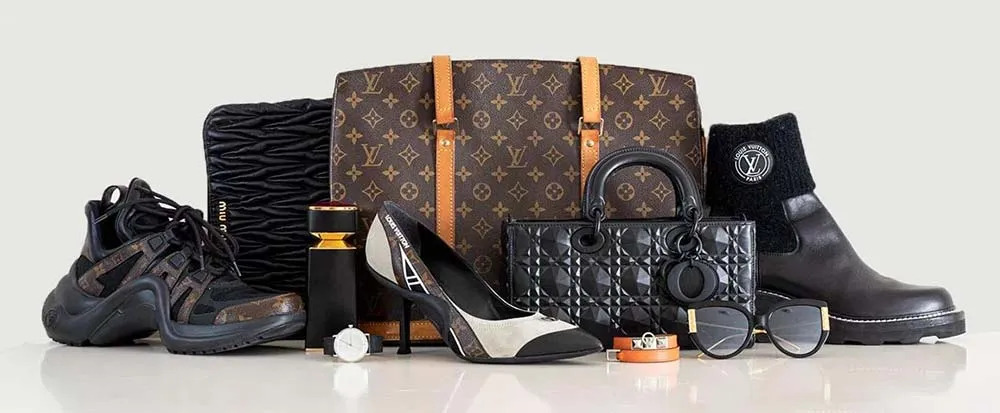
When we think of luxury in India, the first things that usually come to mind are expensive brands, designer clothes, jewellery, or big houses. For a long time, luxury was closely linked to money and status. If something was costly, rare, or imported, it was considered luxurious. People associated luxury with showing success and social position.
But for Gen Z, this idea of luxury is slowly changing. Today, luxury feels less about owning things and more about experiencing culture, understanding stories, and feeling emotionally connected. Instead of asking, “How much does it cost?”, Gen Z often asks, “What does it mean?” Indian art fairs play a big role in shaping this new way of thinking.
Art Fairs: Welcoming Spaces for Young Audiences
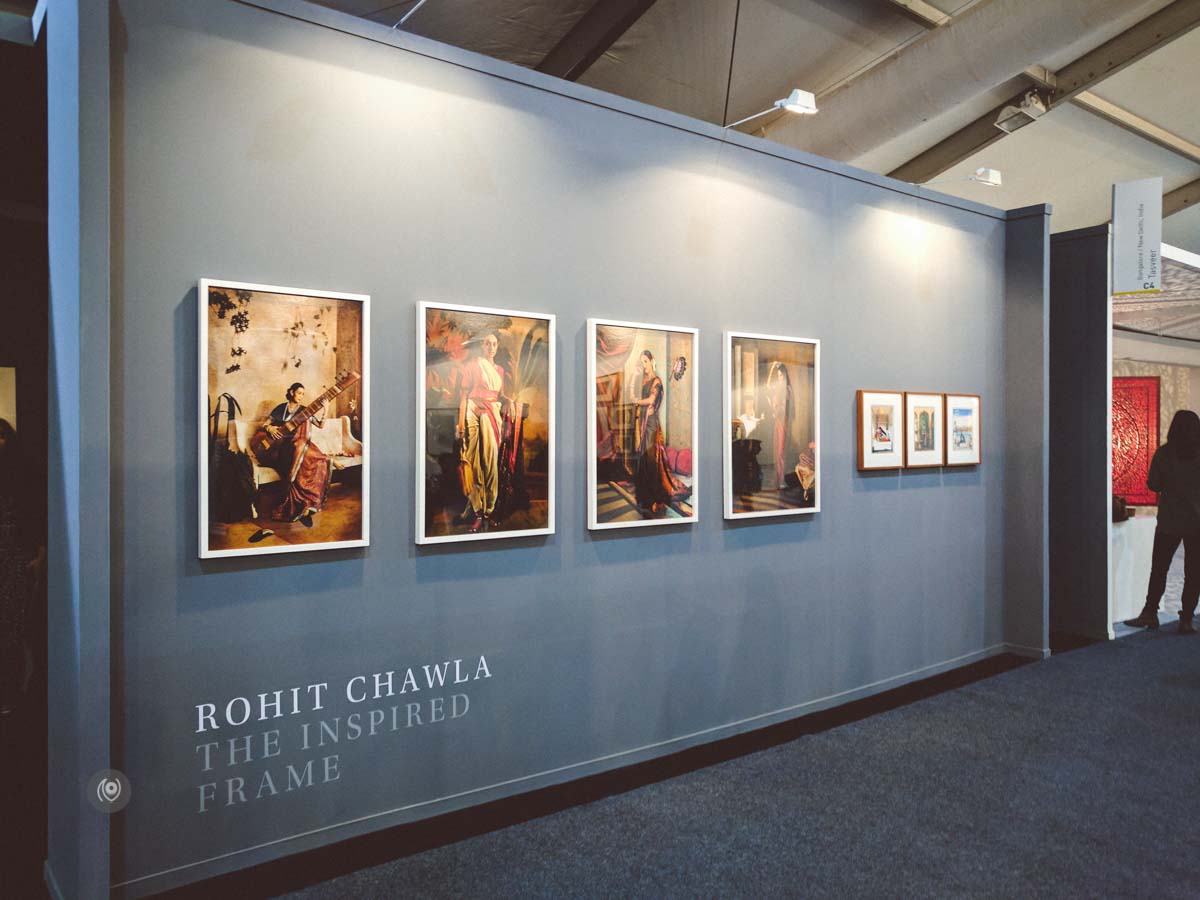
Art fairs in India are no longer only meant for collectors or art experts. They have become open, lively spaces where young people can walk in, explore, ask questions, and simply enjoy being around creativity. These fairs are no longer silent or intimidating they feel welcoming and expressive. For Gen Z, visiting an art fair feels like discovering a new world rather than entering a formal gallery.
What makes these art fairs special is that they don’t just show art.
They tell stories.
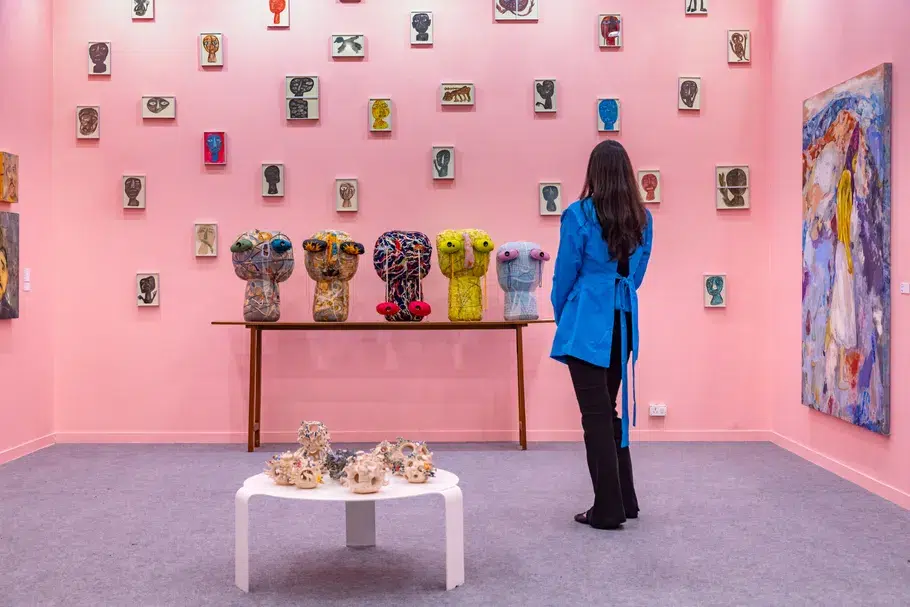
Every painting, sculpture, or installation has a meaning behind it. Some talk about identity, some about society, and others about the environment or personal emotions. Many artworks reflect real-life issues that young people care about mental health, inequality, climate change, gender, and belonging. Gen Z values this deeply. Understanding why an artwork exists feels more meaningful than just knowing its price. In this sense, luxury becomes something you understand, not something you show off.
Art fairs also allow Gen Z to slow down. In a fast digital world where everything is consumed quickly, art fairs encourage people to pause, observe, and think. Standing in front of an artwork and trying to understand it becomes a mindful experience. This feeling of presence and awareness itself feels luxurious to a generation that is constantly online.
Celebrating Indian Culture Through Modern Art
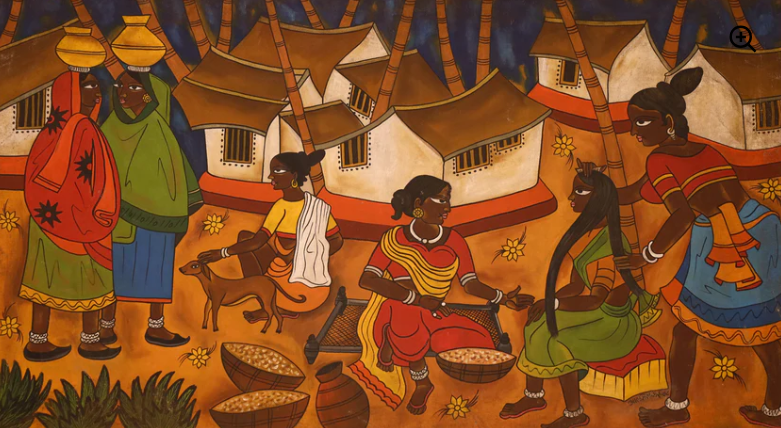
Another important aspect is how Indian culture is presented at these fairs. Traditional art forms like folk art, tribal art, and regional crafts are displayed in modern and creative ways. Earlier, many young people thought luxury meant copying Western styles. Now, there is a growing pride in Indian roots. Seeing traditional art reimagined in a fresh way makes it feel relevant and exciting. It shows that Indian culture itself can be modern, stylish, and luxurious.
Art fairs also help revive lesser-known art forms. Many regional artists who were earlier ignored are now getting recognition. For Gen Z, supporting such artists feels meaningful. It feels like being part of something bigger than themselves.
Luxury With a Purpose: Ethics and Awareness
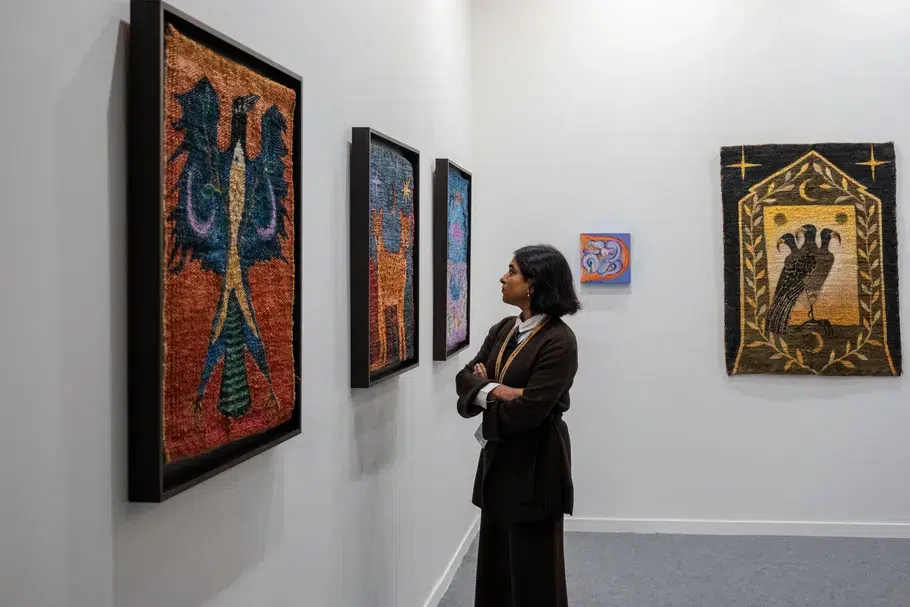
Indian art fairs connect strongly with Gen Z’s values. This generation is very aware of issues like sustainability and social responsibility. Many artists use eco-friendly materials or create art that speaks about climate change, inequality, or mental health. Some artworks are made from recycled materials, while others highlight social struggles through powerful visuals. Supporting such art feels like making a thoughtful choice. Here, luxury is not about excess; it is about being conscious and aware.
Gen Z does not want luxury that feels wasteful or harmful. They prefer experiences and products that align with their beliefs. Art fairs naturally reflect this mindset by focusing on purpose-driven creativity rather than mass production.
The Role of Social Media and Cultural Confidence
Social media has also made art fairs more appealing to young people. The colourful installations and creative spaces are visually attractive and often shared online. But it’s not just about posting pictures. Gen Z enjoys sharing what the artwork means, talking about the artist, and expressing opinions. Being able to discuss art gives a sense of cultural confidence. In today’s world, that kind of awareness feels more valuable than wearing a luxury logo.
Art fairs also create a sense of community. Young people attend these events with friends, have conversations, and exchange ideas. Art becomes a starting point for dialogue. Luxury here is not lonely or individual it is shared and social.
Another reason art fairs attract Gen Z is the freedom they offer. There are no strict rules about how to feel or what to think. Everyone can interpret art differently. This openness makes Gen Z feel respected and included. Feeling seen and heard is an important form of luxury for this generation.
Why Luxury Brands Are Paying Attention
Because of this shift, even luxury brands are paying attention to art fairs. Instead of just selling products, many brands are supporting artists, sponsoring exhibitions, or collaborating with creative communities. They understand that Gen Z prefers brands that connect with culture and creativity rather than those that simply promote wealth. Brands that support art appear thoughtful, modern, and socially aware.
For luxury brands, art fairs offer a softer way to connect with young audiences. Instead of loud advertising, they become part of a cultural experience. This approach feels more genuine and relatable to Gen Z.
Art fairs are also educational spaces. Many young people who may not have studied art formally learn about styles, artists, and cultural history through these events. This learning feels informal and enjoyable. Gaining knowledge in such a way feels empowering. For Gen Z, being informed is a form of luxury.
Luxury as Experience, Emotion, and Connection
Overall, Indian art fairs are changing how Gen Z looks at luxury. Luxury is no longer just about expensive objects. It is about experiences, values, culture, and personal connection. It is about feeling inspired, informed, and emotionally moved.
Through art fairs, Gen Z is learning that true luxury lies in understanding, expression, and authenticity. In a world driven by trends and consumption, Indian art fairs remind young people that luxury can also be thoughtful, rooted, and meaningful.
Luxury today is not just something you buy.
It is something you feel, experience, and carry with you.
The Future of Luxury and Culture
As Indian art fairs continue to grow, they will shape not just tastes but values. Gen Z is teaching brands and older generations that luxury can be inclusive, ethical, and socially meaningful. Art fairs are no longer about wealth alone they are about culture as currency. The value lies in stories, creativity, and human connection, not just price tags.
In the next few years, we can expect even more integration of technology and experience in these fairs. Virtual reality, immersive installations, and digital storytelling will allow young people to interact with art in new ways. Luxury will continue to evolve as something that excites the senses, educates the mind, and touches the heart.
Indian art fairs are helping Gen Z rewrite the definition of luxury. They are proving that true sophistication comes from being aware, being thoughtful, and being culturally fluent. Luxury is no longer just seen it is experienced, understood, and shared.