Slow Luxury: How Artisanal and Heirloom-Quality Pieces are the Most Eco-Friendly Statement
The Problem with Fast Luxury
Luxury has always carried an air of exclusivity, but in recent years, its meaning has started to shift. For decades, we’ve equated luxury with gleaming logos, limited editions, and items that promise status. Yet in an age of climate anxiety and overflowing landfills, that definition feels increasingly outdated. What is the use of a thousand-dollar purse that peels after two years, or a sparkly ring if it’s paid for with an ugly river? A new campaign, sometimes subtle and unobtrusive, is transforming our understanding of luxury. It doesn’t scream; it speaks softly. It doesn’t boast about novelty; it values longevity. This is slow luxury: the conviction that handmade, artisanal, and heirloom-quality items are possibly the most environmentally friendly thing a person can do.
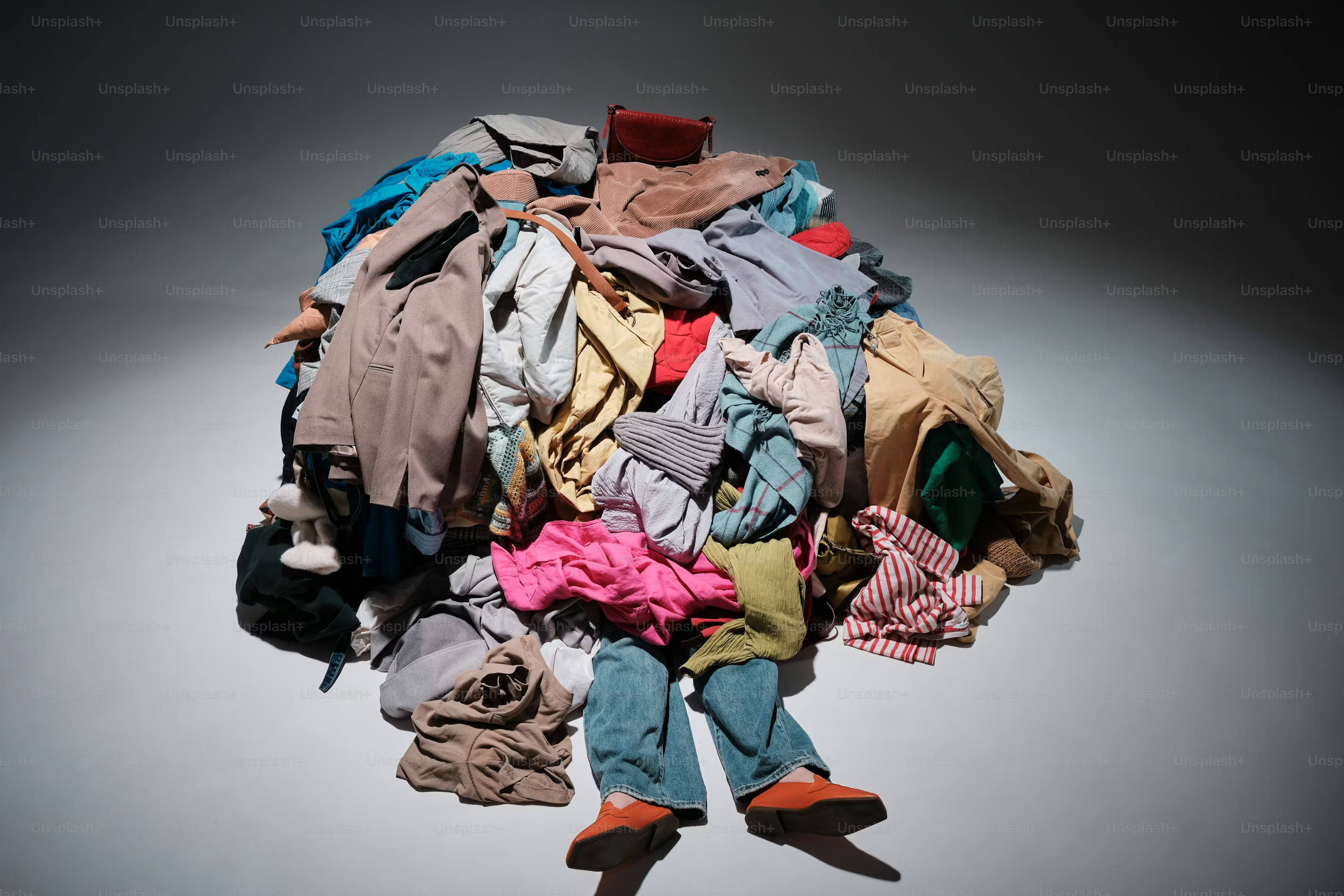
The issue, naturally, starts with what most refer to as “fast luxury.” Similar to fast fashion, this trend depends on quick production cycles, seasonal collections, and merchandise engineered for fleeting charm. Luxury brands produce handbags that stay ‘it’ for only a year until the next big thing arrives, and ‘accessible luxury’ watchmakers churn out designs that mimic exclusivity while producing them in large quantities. The problem is not so much aesthetic exhaustion as ecological waste. The United Nations has already designated fashion as one of the biggest polluting sectors, with around 10 percent of world carbon emissions and huge water use. Even high-end jewellery and watches tend to have their origins in mining activities that devastate landscapes and affect vulnerable groups of people. The irony is breathtaking: brands bill items as scarce and precious, yet they prove wasteful and harmful.

The Philosophy of Slow Luxury
Slow luxury reverses this paradigm. Instead of trends, it values timelessness. Instead of mass-production by factories, it worships the craftsman. Rather than “new every season,” it challenges us to envision purchasing fewer items that will remain important fifty years from now. Take a Hermès Birkin bag. People often focus on its eye-popping cost, but what truly makes it remarkable is the time and craftsmanship artisans put into its creation. An artisan devotes hours of hand-stitching to it so that it lasts for decades, not merely years. Compare this to the polyurethane “luxury-inspired” tote bags. Clogging online stores bargain at first sight, but prone to cracking, peeling, and landing in a dump. The Birkin is more than a mere fashion accessory; it’s an heirloom.

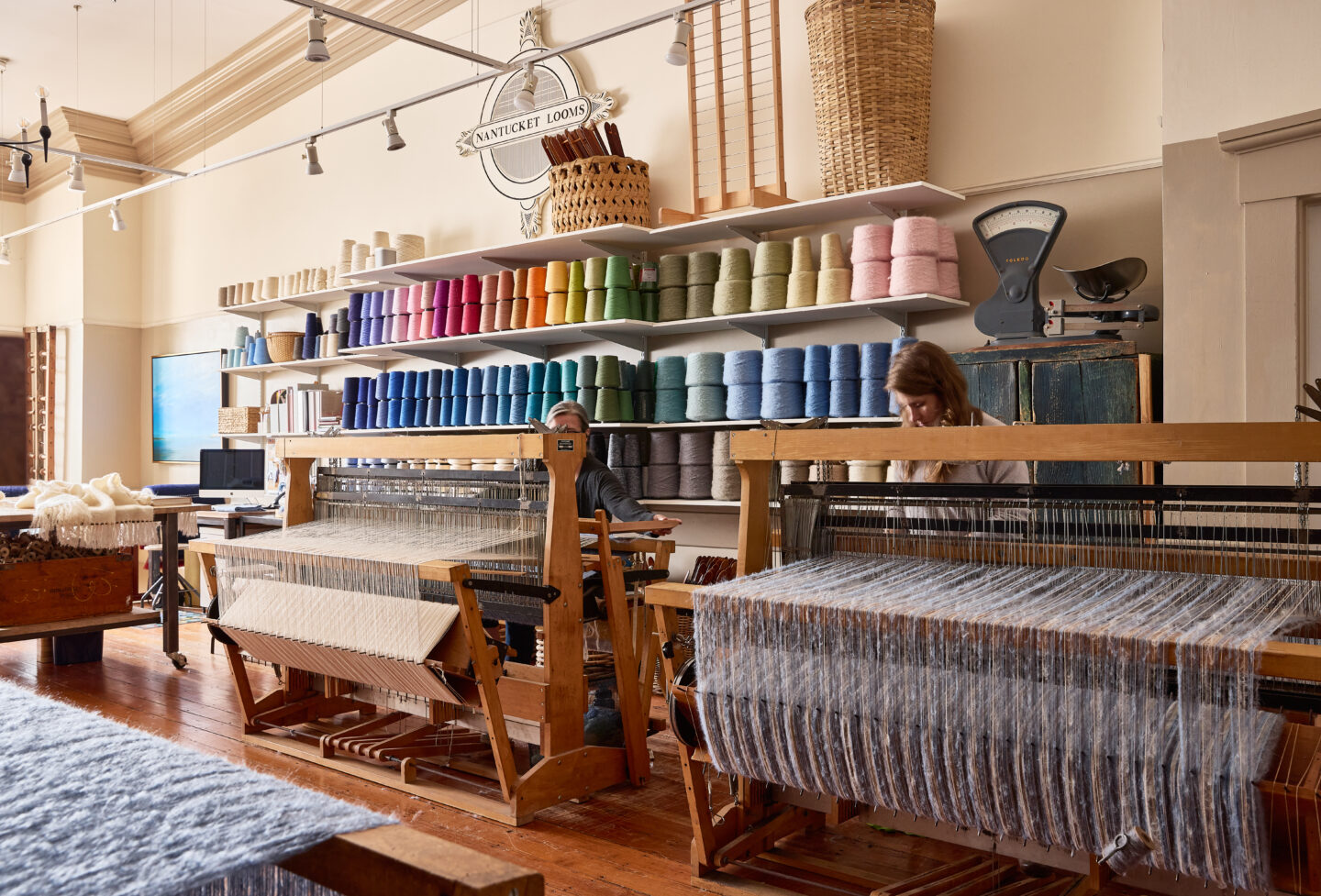
The handmade, in general, always brought with it an aura of importance. To have something that has been shaped by a human hand, as opposed to massed out by a machine, is to possess a shard of a person’s time, effort, and tradition. Consider Italian fashion brand Loro Piana, whose exquisite vicuña and cashmere sweaters are hand-finished, borrowing centuries of Andean herding traditions. Or Indian designers who bring back khadi the hand-spun cloth advocated by Gandhi whose laborious weaving not only conserves energy but keeps entire rural villages alive. Hand-finished jewelry says the same thing. Pippa Small, among other designers, works directly with Afghan craftsmen to create one-of-a-kind pieces that are as much about heritage as they are about beauty. Each piece holds within it both culture and conscience, making it fundamentally distinct from mass-produced alternatives.
Slow luxury in Global Luxury
Slowly, this philosophy is taking root in the entire global luxury market. Gucci’s Off The Grid line employs recycled nylon, showing that even big brands can adopt circularity. Chanel’s Métiers d’Art collections put a spotlight on small ateliers, from embroiderers to feather workers, preserving traditional crafts. In interior design, Ralph Lauren’s bespoke furniture provides classic hardwood furniture crafted to be mended instead of being replaced. In India, designers such as Raw Mango and Anavila are incorporating modernity into traditional saris, allowing artisanal traditions to live on despite industrialization. Luxury, in such instances, becomes something greater than the end product it is an ecosystem of individuals, materials, and traditions collaborating with the earth.
Sustainable and Handcrafted: Protecting Talent and the Planet
The environmental advantages of this method are certain. Handcraft production conserves its reliance on machine-intensive fossil fuels. Long-lasting pieces translate to less garbage. Sustained sourcing prevents the environmental costs associated with rapid manufacturing. Above all, slow luxury changes consumer habits. Rather than purchasing five handbags over two years, we make an investment in one that will last for twenty. Rather than treating fashion and design as transitory, we start to think of them as lifelong friends. And by so doing, we recover something true: luxury isn’t about having more, but about opting for better.
And then there is heirloom quality the greenest luxury possible. The reasoning is straightforward: the most sustainable product is one that you never need to replace. Consider your grandmother’s silverware, still in its original state and shining after years, versus a cheap high-street silver-plated equivalent that tarnishes and flakes within months. Or the Hans Wegner Wishbone Chair, lovingly made in Denmark and still desired seventy years later, surviving many more cycles of flat-pack furniture going to the dumpster. Even watches tell a similar story. A Rolex Submariner or a Patek Philippe is not merely a timepiece but an heirloom, too often building in value as the years go by. At the same time, battery-powered fashion watches shatter after a few years and silently disappear in drawers or garbage. Slow luxury reminds us that when something can live longer than us, we use less and love more.
The Future of Luxury: A Generational Shift

It’s what makes slow luxury so particularly intriguing that it captures a new generation of consumers. Millennials and Gen Z are rewriting the rules on how to spend on luxury. In a report published in 2023 by Bain & Company, it was discovered that almost 60 percent of luxury consumers now see sustainability as the central consideration in their decisions. To them, ethics, transparency, and craftsmanship are as important as prestige brand status—frequently even more so. On the social web, the flex is now not about showing off a closet full of throwaway pieces but a few quality investments that last forever. “Buy less, buy better” is no longer a green mantra but an authentic sign of sophistication.
In the end, slow luxury is not a matter of things; it is a matter of values. To own something made by hand, something artisanal, something heirloom-quality is to be part of something greater than oneself something of culture retained, waste minimized, time honored. At a time when all seems to require us to hurry and be new, slow luxury requires us to wait. It requires us to mean. It requires that the most valuable thing we can purchase is not beauty, but longevity.
Perhaps, ultimately, the greatest luxury is not the excitement of the new, but the quiet pleasure of the enduring. Slow luxury teaches us that it is treasures, and not rubbish, with which we should surround ourselves when we die.