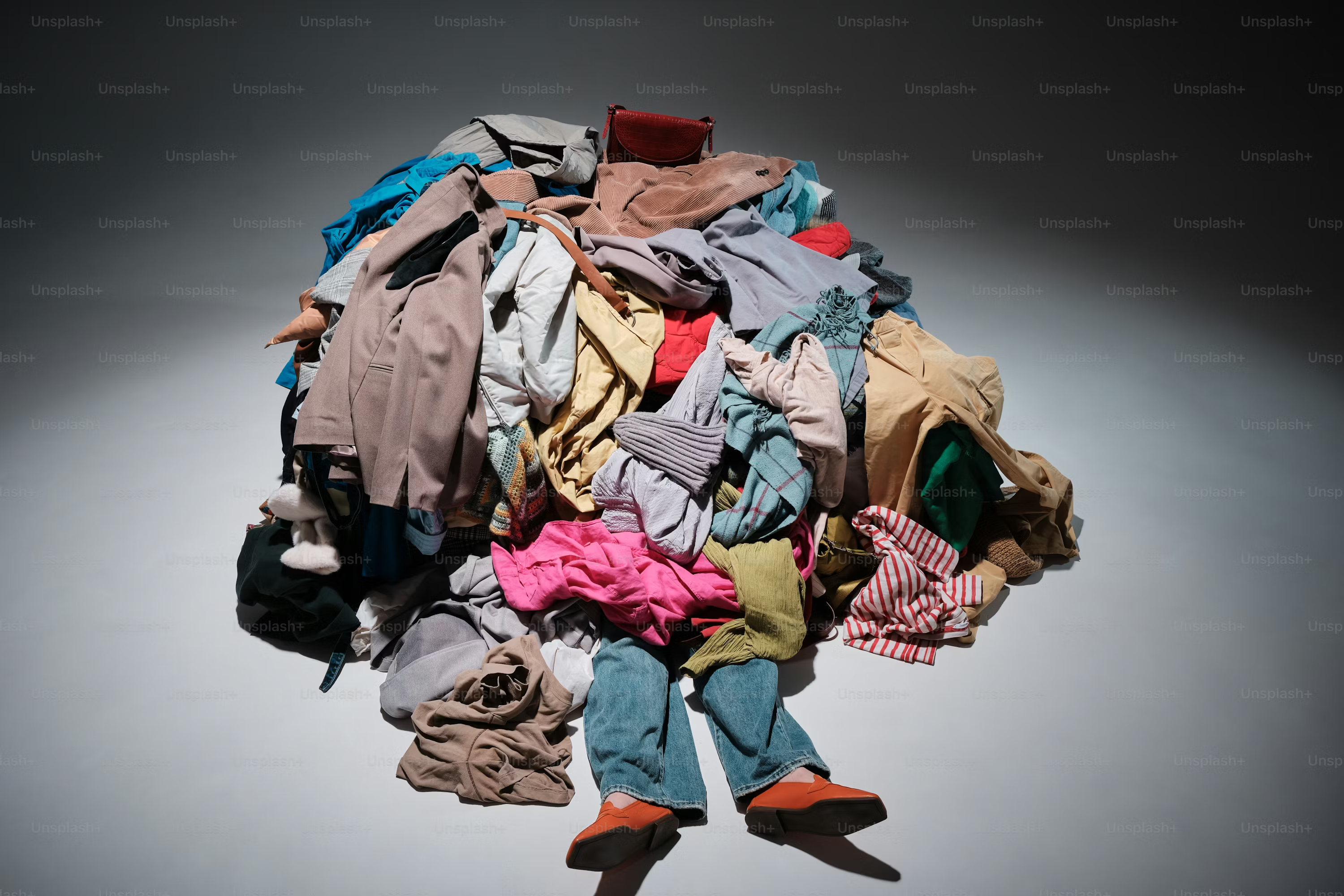
Sustainability, But Make It Real: A College Student’s Perspective on Littlebox
Sustainability is one of those words we hear everywhere but rarely stop to think about deeply. It’s on posters, Instagram captions, brand websites, and even in college assignments. But as a college student, sustainability often feels distant like something important, but not urgent enough to fit into our everyday chaos of classes, deadlines, and budgets.
That’s where my perspective on Littlebox comes in.
I didn’t discover Littlebox while consciously searching for a “sustainable brand.” I noticed it because the clothes felt wearable, simple, and relevant to real life. And honestly, that’s what makes it interesting. It doesn’t sell sustainability as a sacrifice. It sells it as a lifestyle that already fits into how young people live.
Sustainability Isn’t Always Aesthetic – But Here, It Is
Let’s be honest. A lot of sustainable fashion brands don’t feel relatable to college students. They’re either too expensive, too niche, or designed in a way that feels more like a statement than something you’d wear on a random Tuesday to class.
Littlebox feels different.
The designs are clean, minimal, and trendy without being overwhelming. They don’t scream “eco-friendly,” but they quietly embody it. That subtlety matters because sustainability shouldn’t feel like a costume you put on for social media. It should feel like something you naturally reach for in your wardrobe.
As students, we want clothes that can move with us from lectures to coffee breaks to casual meet-ups. Littlebox understands that reality. Its clothes don’t demand attention; they earn it by being comfortable, versatile, and long-lasting.
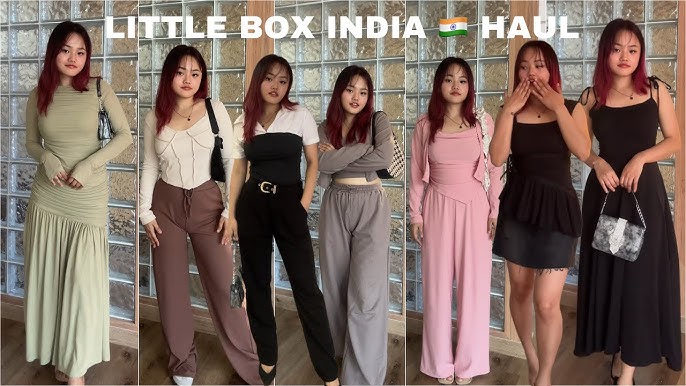
The Reality of College Life and Fashion Choices
College life forces you to be practical. You repeat outfits. You mix and match. You look for pieces that work across situations. Fast fashion brands often tempt us with low prices and constant newness, but the downside is obvious clothes that don’t last, styles that feel outdated quickly, and a cycle of buying and discarding.
Littlebox challenges that cycle quietly.
When clothes are made well, you don’t feel the need to replace them constantly. That reduces waste without you having to actively think about it. Sustainability here becomes a byproduct of better design and mindful production, not a burden placed on the consumer.
And for students who don’t have the luxury of spending excessively, this approach makes sense. Buying fewer, better pieces is more realistic than chasing trends every month.
Sustainability Without the Pressure
One thing I genuinely appreciate about Littlebox is how it communicates sustainability. It doesn’t guilt-trip you. It doesn’t shame fast fashion consumers or position itself as morally superior.
Instead, it creates space for awareness.
This approach feels especially important for young people who are still learning, still forming opinions, and still figuring out how their choices impact the world. Sustainability isn’t about being perfect; it’s about being conscious. Littlebox reflects that mindset.
It acknowledges that small changes like choosing brands that value ethical practices add up over time. That’s a comforting thought, especially for students who often feel powerless in the face of global issues like climate change.

Fashion That Encourages Reuse, Not Replacement
One of the most underrated aspects of sustainability is durability. Clothes that last longer automatically reduce consumption. Littlebox designs pieces that feel timeless rather than trend-dependent.
This encourages repeat wear.
As someone who believes outfit repetition should be normalised, this matters to me. When you love a piece enough to wear it often, it becomes part of your identity rather than just another purchase. That emotional connection to clothing is something fast fashion rarely offers.
Littlebox seems to understand that clothes can be personal. When you stop seeing clothes as disposable, you start treating them differently washing them carefully, styling them creatively, and holding onto them longer.
That shift alone has a powerful environmental impact.
Why This Matters to Our Generation
Our generation is constantly told that we need to “do better” for the planet, for society, for the future. But rarely are we shown realistic ways to integrate those values into everyday life.
Littlebox feels like a step in the right direction because it meets us where we are.
It understands that college students care, but also struggle. We want to make ethical choices, but we also have financial limits, social pressures, and limited time. Sustainability that ignores these realities often feels inaccessible.
By creating fashion that aligns with both values and lifestyle, Littlebox proves that sustainability doesn’t have to be extreme to be effective.
Sustainability as a Mindset, Not a Trend
What I find most refreshing about Littlebox is that it doesn’t treat sustainability as a trend. There’s no sense of urgency to “buy now before this goes viral.” Instead, there’s a quiet consistency in its approach.
That consistency builds trust.
When brands focus more on longevity than hype, they encourage mindful consumption. This mindset shift is essential if we want sustainability to last beyond social media trends and viral moments.
Littlebox contributes to that shift by normalising ethical fashion rather than glorifying it.
The Emotional Side of Conscious Fashion
Another overlooked aspect of sustainability is emotion. Fast fashion thrives on impulse quick buys, short-lived excitement, and instant replacement. In contrast, sustainable fashion invites emotional attachment. When you invest in a piece you genuinely like and feel comfortable in, it stays with you longer.
Littlebox taps into that emotional connection. Its clothing feels familiar, easy, and expressive without trying too hard. That emotional comfort leads to longer usage, which is one of the simplest yet most effective forms of sustainability.
For students navigating identity, expression, and change, clothing plays a subtle but powerful role. Brands that respect that journey while also respecting the planet stand out in meaningful ways.
A Personal Reflection
As a college student, I don’t expect brands to change the world overnight. But I do appreciate brands that make better choices easier. Littlebox does that without asking its audience to compromise on style or comfort.
Littlebox doesn’t expect people to suddenly overhaul their wardrobes or adopt an unrealistic zero-waste lifestyle. Instead, it quietly promotes mindfulness. It encourages us to pause before purchasing, to value what we own, and to understand that conscious fashion is built on consistency, not extremes.
It reminds me that sustainability doesn’t have to feel heavy or intimidating. It can be woven into everyday life through clothes you enjoy wearing, brands you trust, and habits that slowly evolve.
In a world where everything feels fast, disposable, and overwhelming, choosing something thoughtful feels grounding.
Conclusion
Littlebox represents a kind of sustainability that works for young people. It’s quiet, practical, and intentional. It doesn’t demand perfection, only awareness. And for a generation still learning how to balance ideals with reality, that approach feels refreshing.
Sustainable fashion doesn’t need to be loud to be impactful. Sometimes, it just needs to feel real.
And that’s exactly what Littlebox does.

Related Posts
Green Finance: The Indian Perspective

Recent Trends in Sustainability 2025