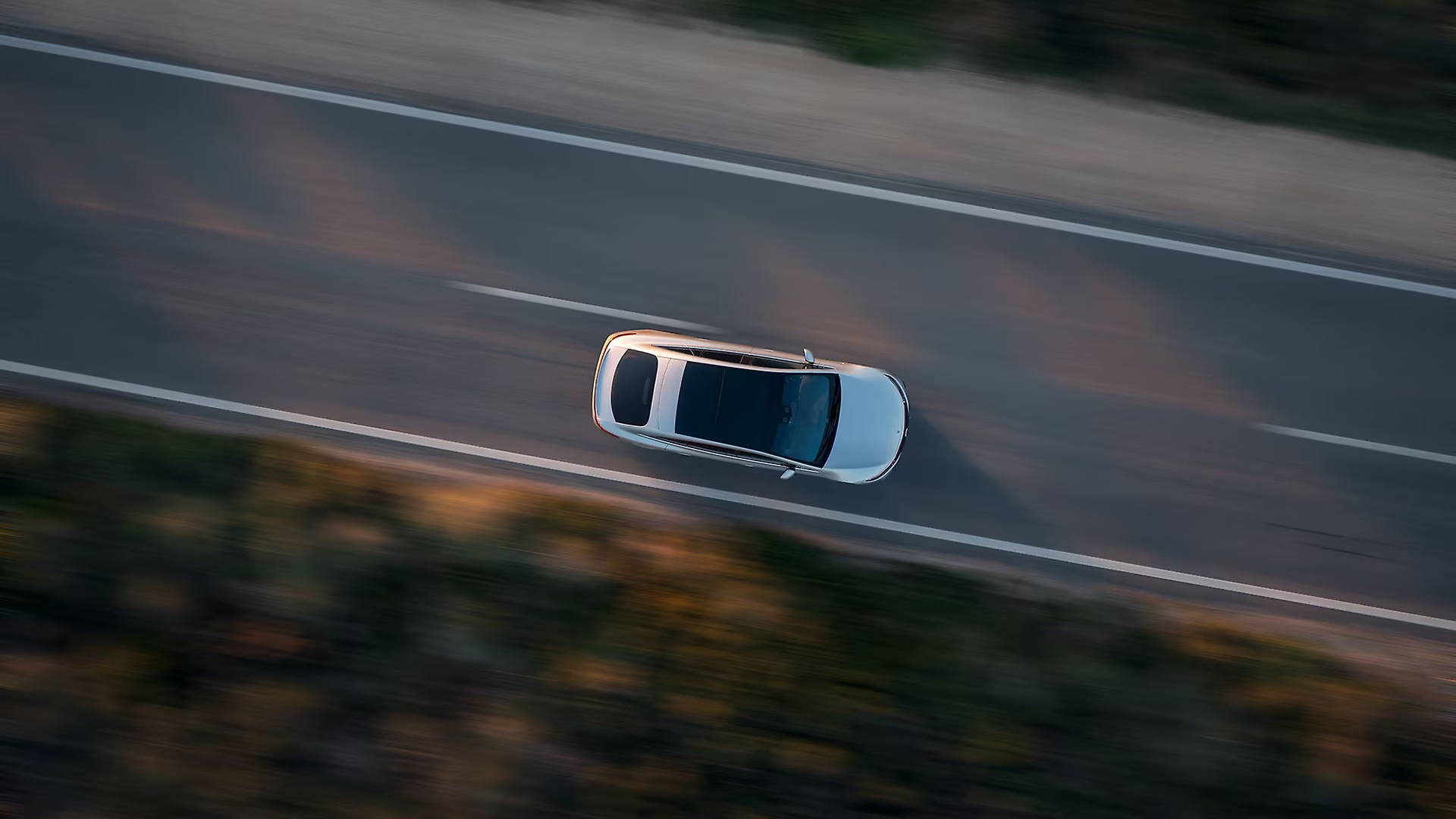
Mercedes-Benz, S-Class but Make It Sustainable
For decades, luxury cars have been the poster child of speed, elegance, and jaw-dropping engineering. But in 2025, does prestige also mean responsibility? Well… yes and no.
Because let’s be honest: fast, fierce, and fabulous will always matter. But today’s luxury consumers have added a brand-new tick box to the wishlist: sustainability. And trust me, Mercedes-Benz didn’t just tick that box, they drew a star around it, highlighted it neon green, and whispered: “watch us redefine the game.”
But Let’s start by understanding what sustainability actually means in the automotive world.
Sustainability in the automotive world
A car isn’t just born in the factory and sold in the showroom: it has a footprint before, during, and long after it leaves the road. True sustainability in the automotive world means managing impact across the entire lifecycle; from the steel in its skeleton to the battery beating at its core.
Yes, the industry threw us CNG cars and electric fleets. Appreciated. But is that enough to future-proof the planet? Not really.
Now imagine being Mercedes-Benz. They can’t just make “another EV.” That’s brand dilution, darling. Luxury thrives on rarity, craftsmanship, and identity. So, when Mercedes decided to go green, it had to be just as exclusive as their AMG engines and S-Class champagne-cushioned interiors.
Let’s talk about how Mercedes-Benz ensures it stays sustainable while still serving us the speed, shine, and star-power it’s famous for.
Mercedes-Benz and the ESG Game Plan
Mercedes isn’t here for half-hearted greenwashing. They’ve blended bold solo visions with global alliances to ensure the three-pointed star stays the brightest in the luxury × sustainability constellation.
1. Ambition 2039:
Ambition 2039 is Mercedes-Benz’s fairy godmother moment: a promise to make their entire value chain carbon-neutral by 2039.
- From raw material sourcing to recycling: check.
- From design labs to customer use: double check.
- From factories to logistics: triple check.
And it’s not just a dream on paper. Mercedes has already made moves:
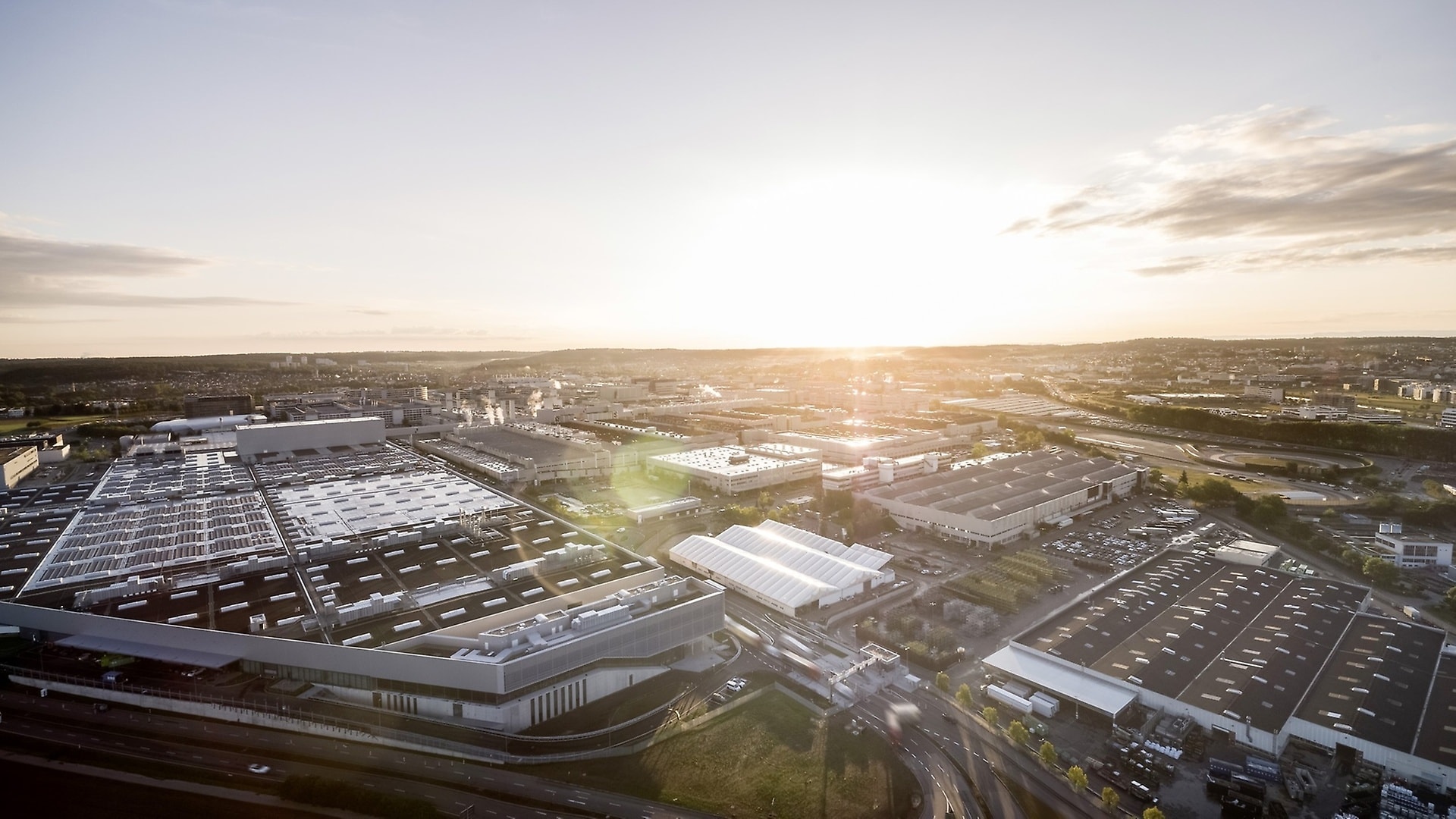
- All passenger car and van plants in Europe are powered by 100% renewable energy.
- Heavy investments in battery innovation, green steel, and recycled aluminium.
- Interiors made with mushroom leather and ocean plastics (yes, you read that right).
This is what rewriting “sustainability in luxury cars” looks like.
2. Transform to Net Zero:
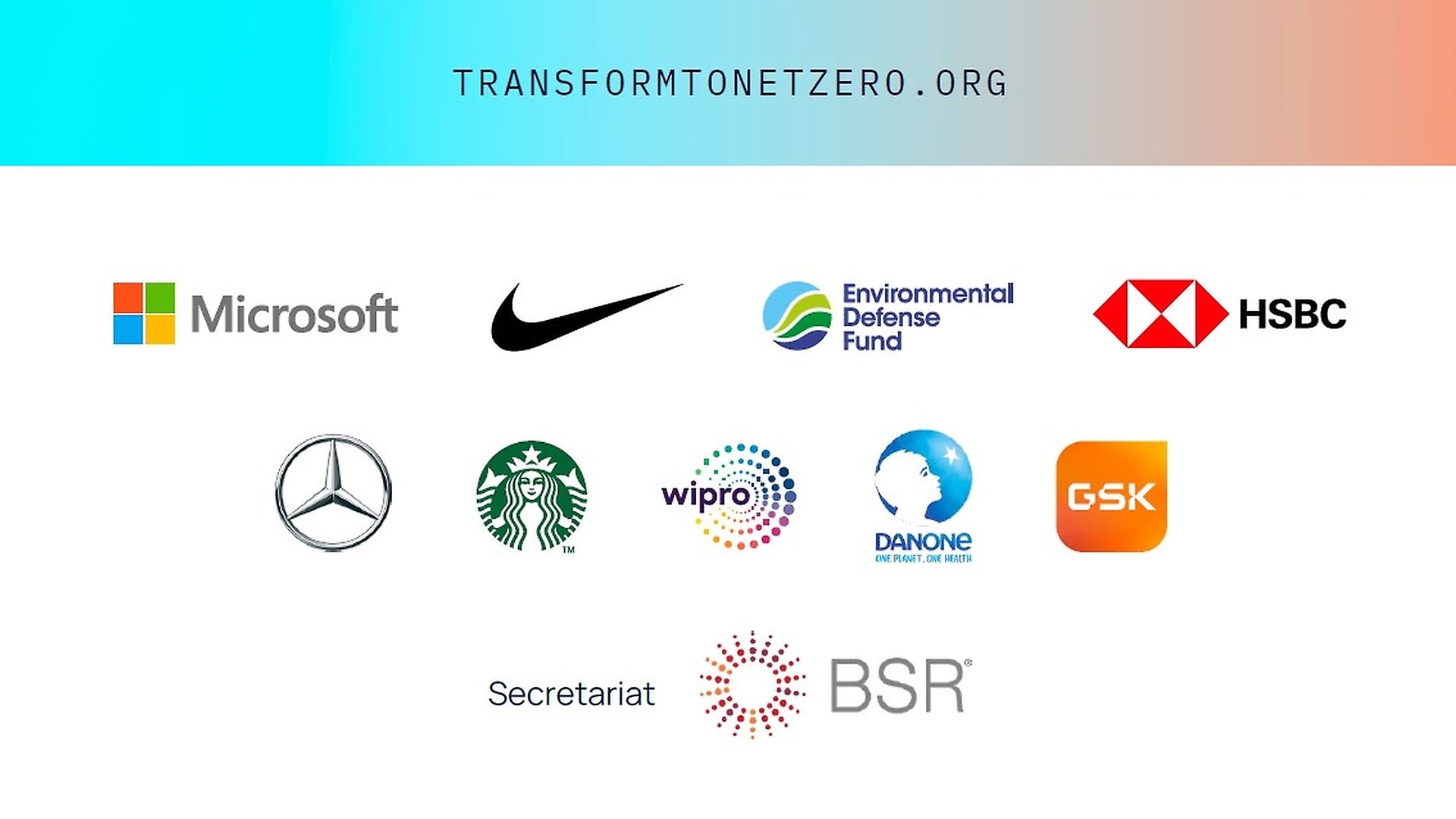
Ambition 2039 is the vision. But Mercedes knows even stars shine brighter in constellations. Enter Transform to Net Zero, a coalition co-founded by Microsoft. Think Avengers but for sustainability.
Here’s their magical formula:
Decarbonise supply chains → greener materials, suppliers who sparkle with accountability.
Scale renewable energy → clean power for plants + chargers for the road.
Prove it with transparency → because in luxury, receipts = reputation.
With this, Mercedes is saying loud and clear: the finest leather seats don’t matter if the planet’s burning. True luxury is leadership.
That being said, Mercedes-Benz isn’t still free of challenges. Even if their energy sourcing is sustainable, battery sourcing might still be questionable.
Ethical Challenges in Battery Sourcing
But let’s be real, it’s not all polished chrome and green promises. The biggest ethical dilemma in the EV revolution is battery sourcing.
- Cobalt: Over 70% comes from the DRC, where reports highlight child labor and dangerous conditions. In 2019, around 35,000 children were estimated to be working in artisanal mines.
- Lithium: Extracted mainly from South America’s Lithium Triangle, mining consumes up to 500,000 gallons of water per ton, devastating local farming communities.
- Nickel: Often linked to deforestation and ocean pollution in Indonesia and the Philippines.
Mercedes isn’t ignoring this. They’ve:
- Joined the Responsible Cobalt Initiative.
- Adopted blockchain to trace raw material origins.
- Invested in cobalt-free chemistries and a recycling plant in Kuppenheim that recovers up to 96% of key materials.
It’s progress, but the road is bumpy. True sustainability means ensuring no community pays the price for luxury.
Conclusion
The definition of luxury is shifting. It’s no longer enough for a car to be fast, elegant, and exclusive, today’s discerning consumer also wants to know if their purchase is ethical, transparent, and future-proof. Mercedes-Benz, with its Ambition 2039 strategy and participation in initiatives like Transform to Net Zero, is proving that sustainability can sit comfortably in the same seat as luxury.
Of course, the journey isn’t flawless. Ethical challenges in battery sourcing and the complexities of building a truly circular economy remain unresolved. But what sets Mercedes apart is its willingness to acknowledge these challenges and innovate across the value chain, from blockchain traceability to luxury interiors crafted from recycled and bio-based materials.
In the end, Mercedes is not just selling cars, it is selling a new narrative: one where sustainability becomes the ultimate luxury. And in a world where consumers are as focused on impact as they are on image, that might just be the boldest move a luxury brand can make.
Tomorrow’s most desirable car might not be the fastest but it will be the most sustainable.



One thought on “Mercedes-Benz, S-Class but Make It Sustainable”