The Metaverse & Luxury: Hype or the Future of Luxury Brand Experience and Marketing strategy?
In the ever evolving world of technology, luxury brands have found a breakthrough. According to a study published by California management review, the traditional ways of luxury management and marketing seemed to be getting lost in the race of technological integration and Artificial Intelligence. This called for brands like gucci, balenciaga, burberry, and more to get creative with their branding and marketing strategy to find a way to stay relevant and still maintain their core luxury ethos of their brand. That being said, the pressure to maintain their commitments to the SDG goal is also a persistent challenge. Finding the sweet spot between these two becomes crucial for luxury brands if they want to sustain any future changes in policy and opinion. Let’s discover the creative strategy behind future of luxury brand experience and marketing strategy: luxury brands in the metaverse.
The Creative Strategy
Influencers all over the world have the unwavering need to buy the newest, most trending, and expensive luxury products to keep their followers wanting more. As a result, the followers are tempted to own the same products that all influencers and celebrities are flaunting. Luxury brands used this as a leverage and launched a whole new metaverse collection. The metaverse has over 600 million active users per month, and projections suggest that its reach could grow to 2.6 billion people by 2030. When it comes to demographics, while a large percentage of users are under 18, a significant portion are also in the 21-35 age range, which is a key demographic for luxury spending.
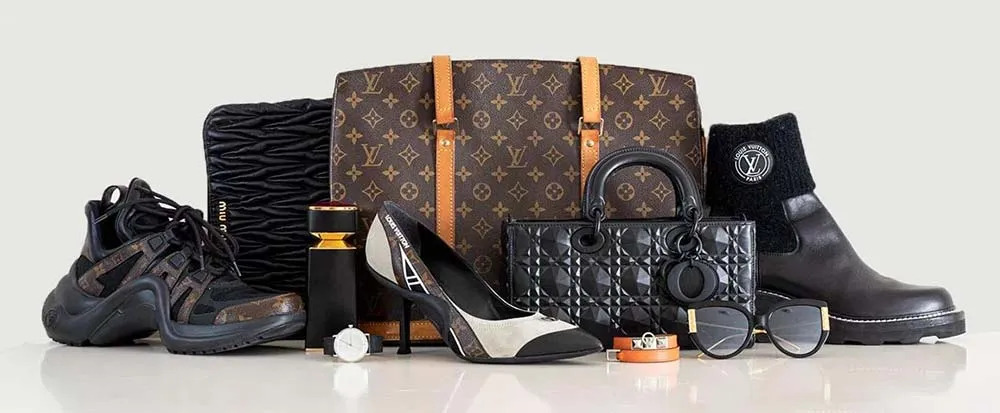
We never imagined that a snapchat bitmoji avatar would have a complete makeover and have MiuMiu accessories. But that is the interesting reality now and luxury brands are profiting off of it. This Metaverse collection strategy rooted from the development in the digital ecosystems but ended up being a complete gamechanger in the metaverse as luxury brands infiltrated many existing ecosystems and created new ones. Let’s talk about a few incredible ways brands have:
Gucci in the Metaverse: NFTs & Virtual Gardens
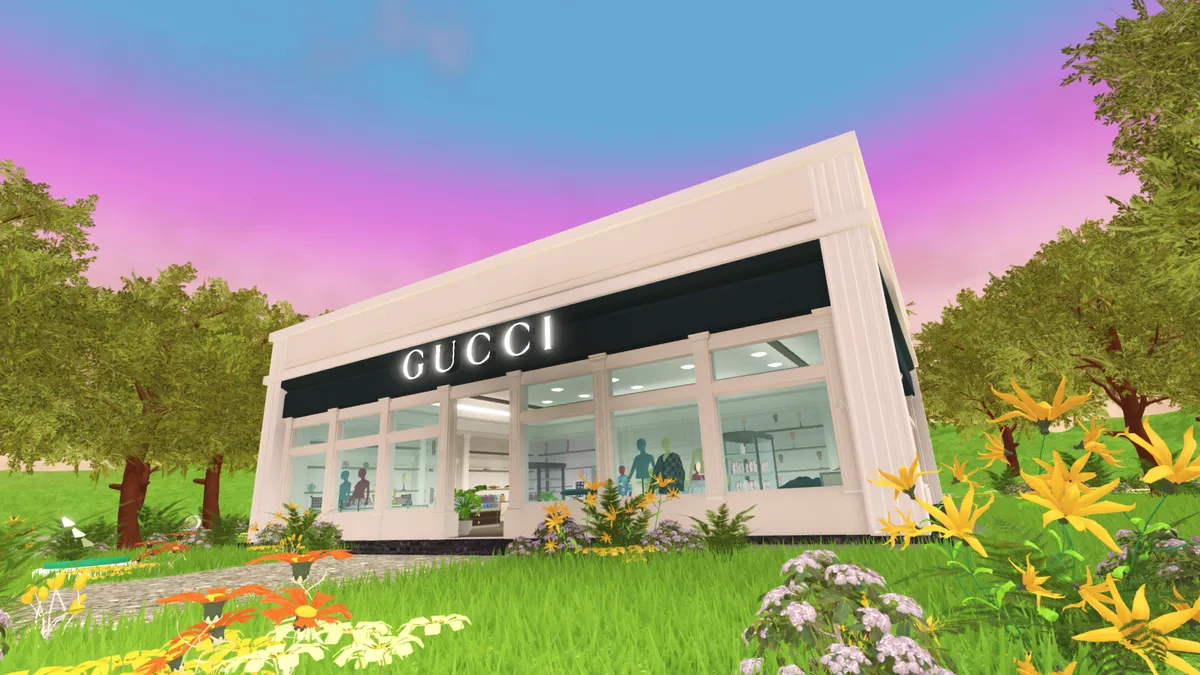
Gucci became the first luxury brand to launch NFTs and create immersive metaverse experiences. Collaborating with Roblox, they started an interactive virtual experience named “Gucci Garden”. This was an immersive multimedia experience set in Florence, Italy and it was created on Gucci’s 100 year anniversary. Roblox has more than 42 million daily active users aged between 21 and 30. Games have become a place to hang out, see friends, and have fun. Representing their unique self becomes important for avid gamers in the metaverse. Hence, the “Gucci Garden” experience was one of a kind immersion in the luxury industry and a way for friends to experience games through the lens of luxury.
The impact
- Massive exposure and reach – Average gamers tend to play games from the comfort of their homes or at gaming cafes. This innovative move by Gucci gave them exposure to untapped consumer segment. Gucci Garden attracted over 20 million visits in the first month, with a significant number of users spending over 29 minutes in the experience.
- NFT Sales – This opened up doors to a new segment of product NFTs [Non-fungible token]. With the NFTs alone, Gucci had sales of $1.2 million. They used strategies like launching limited edition products, try on, and purchase of Gucci accessories for characters.
Burberry’s Gaming Collaboration: Blankos Block Party
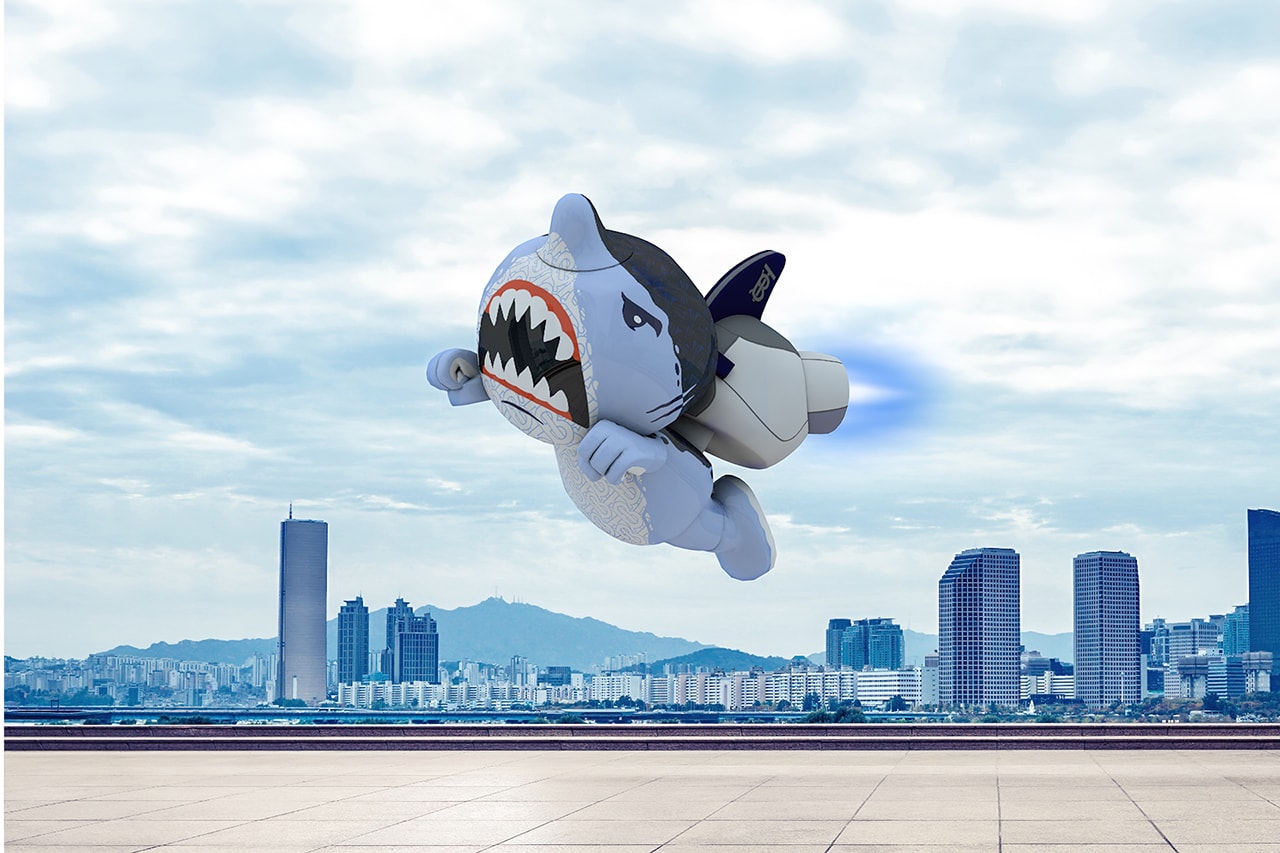
Burberry blew minds! When it partnered with the popular video game Blankos Block Party. They introduced a limited-edition NFT collection called “Burberry Blanko,” a shark-shaped character draped in the iconic Burberry monogram. The collection sold out within minutes and quickly became a status symbol in the digital space. But Burberry didn’t just stop at NFTs, they did something beyond the four walls of traditional luxury events- they leveraged the metaverse to create digital-only fashion shows and limited in-game drops that merged gaming culture with heritage luxury.
The impact
- Bridging heritage with innovation – Burberry managed to stay true to its British heritage while still appealing to the tech-savvy, younger generation who value exclusivity and playability.
- Cultivating community – Players could not only own Burberry NFTs but also trade and showcase them, creating a sense of belonging in a luxury-driven gaming community.
Balenciaga x Fortnite: Blurring Real & Virtual Luxury
Balenciaga made a bold move by collaborating with Fortnite. Being one of the world’s most played games, Balenciaga knew they were playing their cards right. They released a collection of virtual skins and accessories that players could purchase and wear in-game. But here’s the twist, Balenciaga also mirrored this digital campaign in the physical world with exclusive limited-edition hoodies and accessories, blurring the line between reality and the virtual universe.
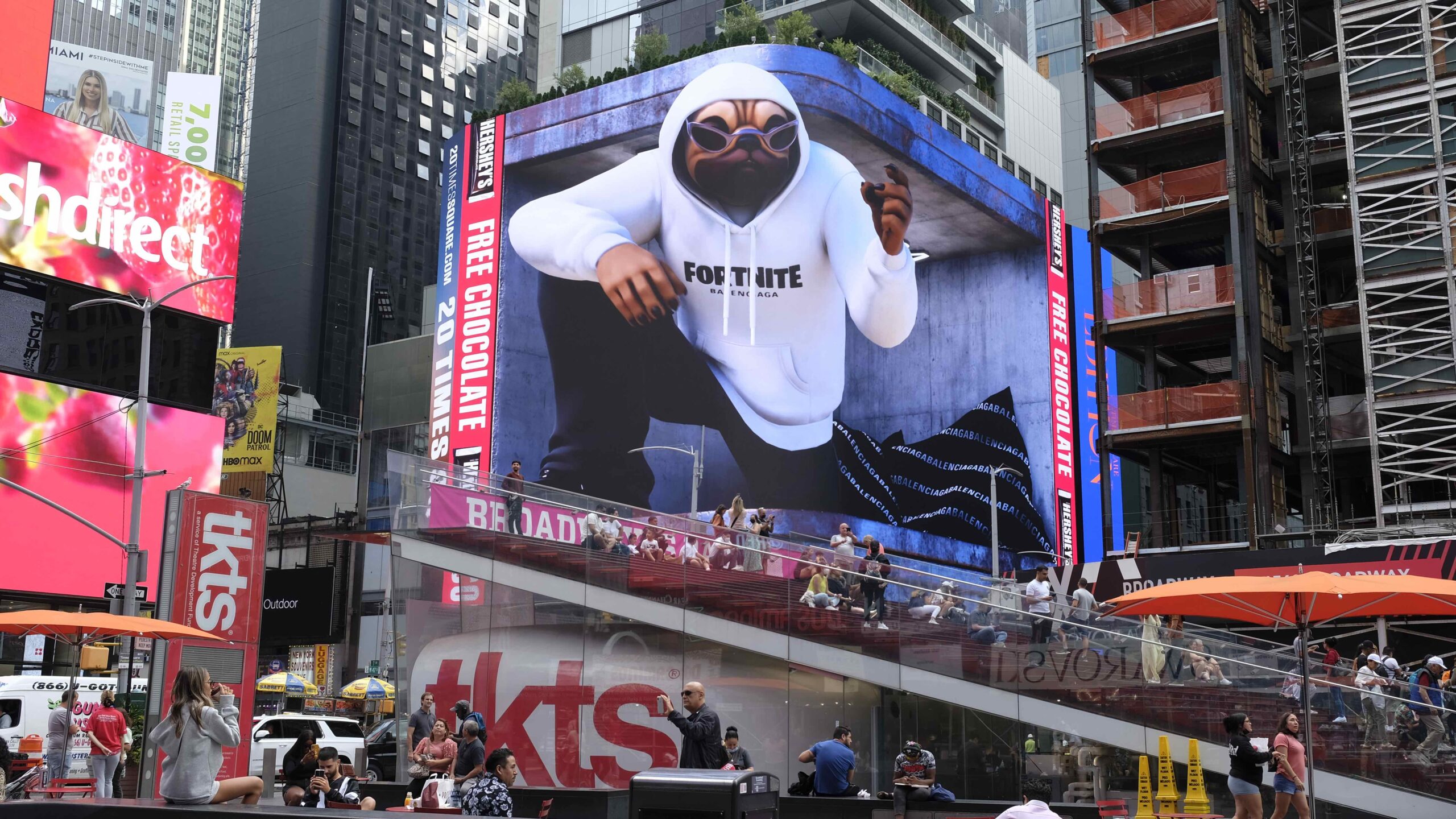
The impact
- Dual presence – By existing in both digital and physical realms, Balenciaga created a 360-degree luxury experience.
- Revenue and hype generation – The collection caused massive hype in both gaming and fashion circles, leading to higher engagement and revenue from two completely different consumer bases.
Sustainability in the Metaverse
This might be something that nobody has talked about yet. But do you think that sustainability and metaverse have a connection? At first glance, the metaverse might seem like just another consumerism-driven playground. But in reality, it offers a sustainable alternative. Instead of producing physical goods that require raw materials, water, and energy, brands are experimenting with digital-first fashion. A digital handbag or jacket doesn’t consume the same resources as a real one, yet it holds symbolic and aspirational value for consumers.
Gucci’s NFT sneakers, for instance, cost far less to create in terms of carbon footprint than producing leather goods. Similarly, Burberry’s Blanko NFTs and Balenciaga’s Fortnite skins eliminate the waste and logistics associated with traditional retail. While not a complete replacement for physical products, the metaverse serves as a bridge between luxury, technology, and sustainability. I believe this is the next step towards ‘’green branding’’ of luxury brands.
Conclusion
So, is the metaverse just a passing hype or the future of luxury brand experiences? The answer lies somewhere in between. While the novelty of digital fashion might fade for some, its potential for global reach, immersive storytelling, and sustainable innovation is undeniable. Luxury has always been about exclusivity, heritage, and emotion and while integrating technology is a necessity but maintaining the luxury brand experience is also something these brands have to keep in mind.
For brands like Gucci, Burberry, and Balenciaga, the metaverse isn’t just a playground; it’s a testing ground for how luxury can evolve, adapt, and remain relevant in an increasingly digital and environmentally conscious world. The key will be finding that sweet balance between heritage and innovation, consumption and sustainability, exclusivity and accessibility. And that’s where the future of luxury might just shine brightest.